Bad Hofgastein 2026 Photography — Fine Art Landscapes from Austria
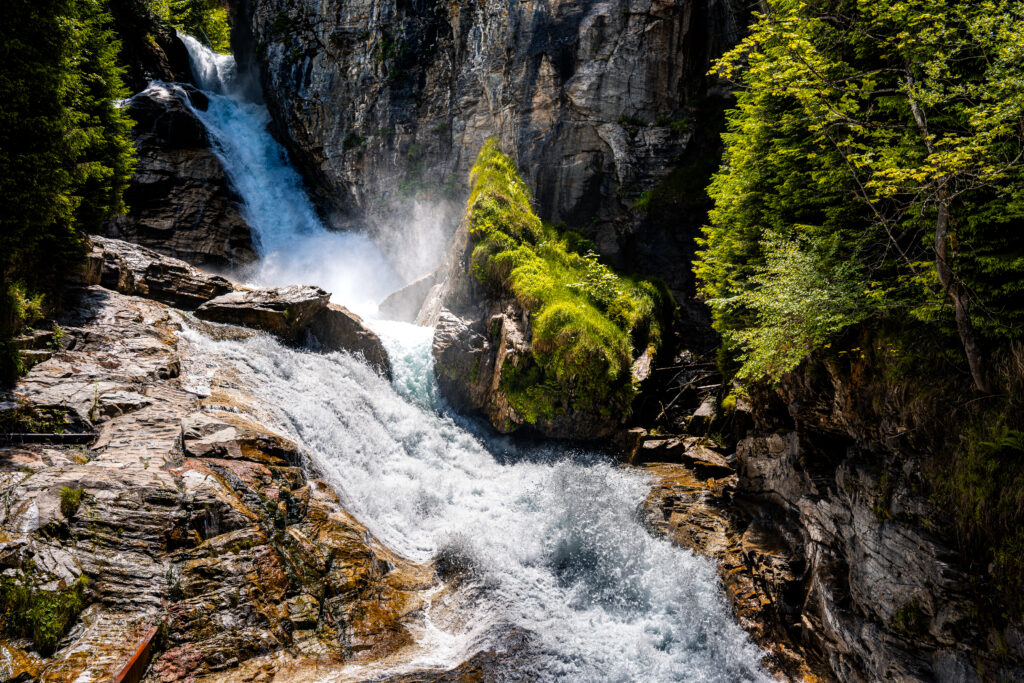
In the summer of 2026, I travelled through Bad Hofgastein and the surrounding Gastein Valley together with my wife. With my camera equipment packed into my backpack, we followed mountain trails, climbed into the alpine landscape and searched for places far beyond the familiar viewpoints.
Many of the photographs in this collection were created at remote mountain lakes, hidden waterfalls and quiet valleys that are rarely visited. Reaching these locations often meant carrying heavy equipment for hours, but it also offered the opportunity to experience the landscape in complete silence and to capture scenes that cannot be found from the roadside.
The weather made this journey especially memorable. During the night, fresh snow fell high in the mountains, even though it was already June. The following days brought sunshine and deep blue skies, while the surrounding peaks remained covered in snow. This unusual contrast created extraordinary panoramas: bright summer light in the valleys, rushing waterfalls and white mountain summits rising above the landscape.
Together, these moments became a deeply personal photographic series. It is not simply a documentation of Bad Hofgastein, but a collection of unique impressions shaped by effort, changing weather and the experience of discovering the Austrian Alps together.
The Journey Behind the Images
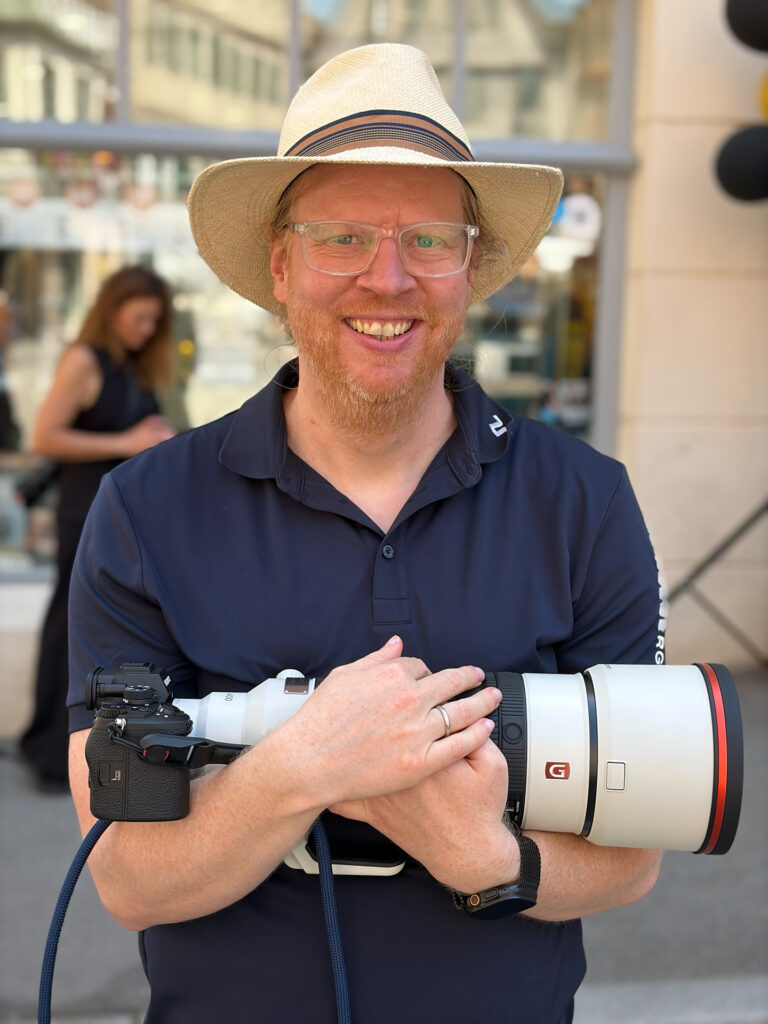
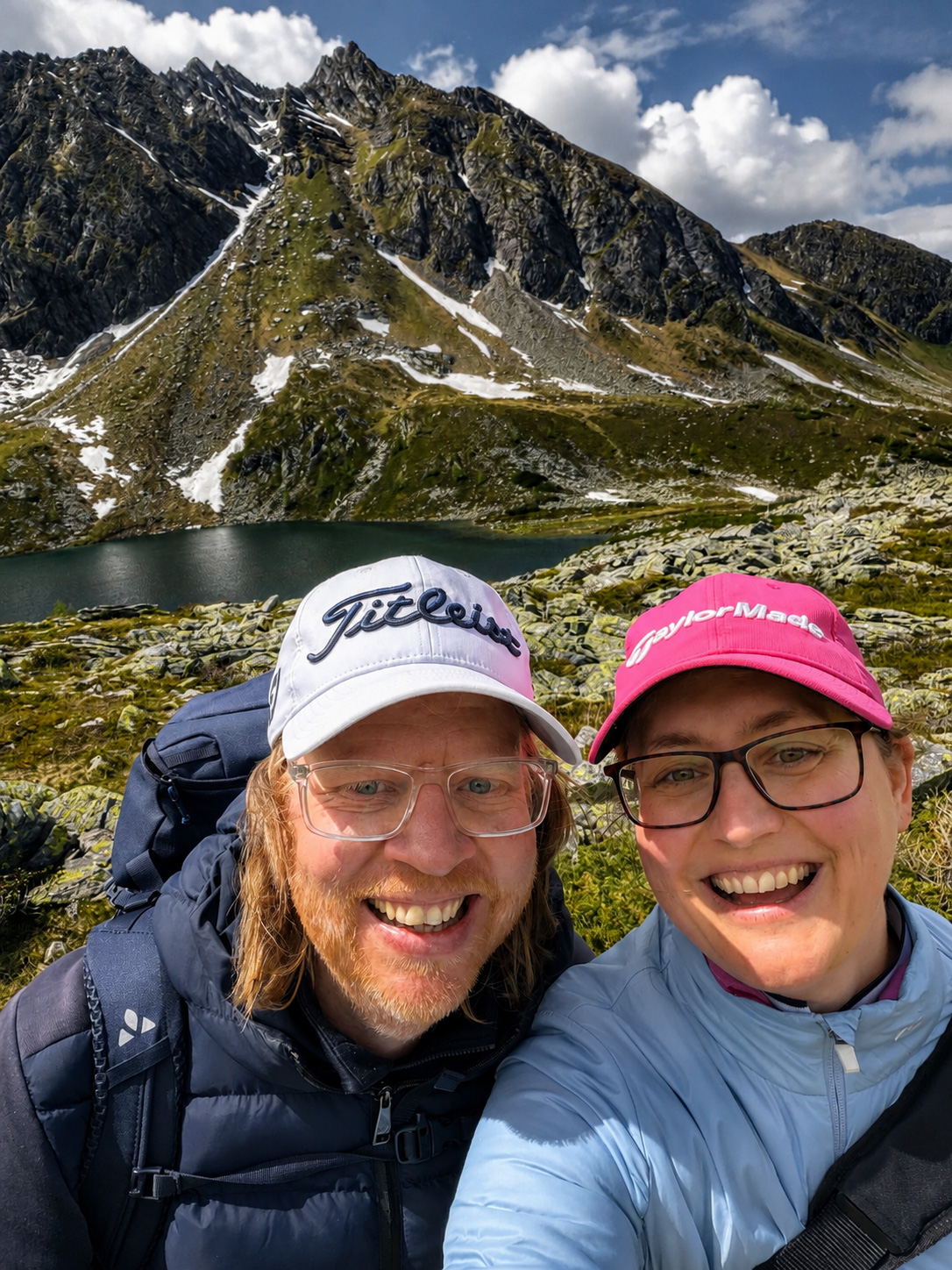
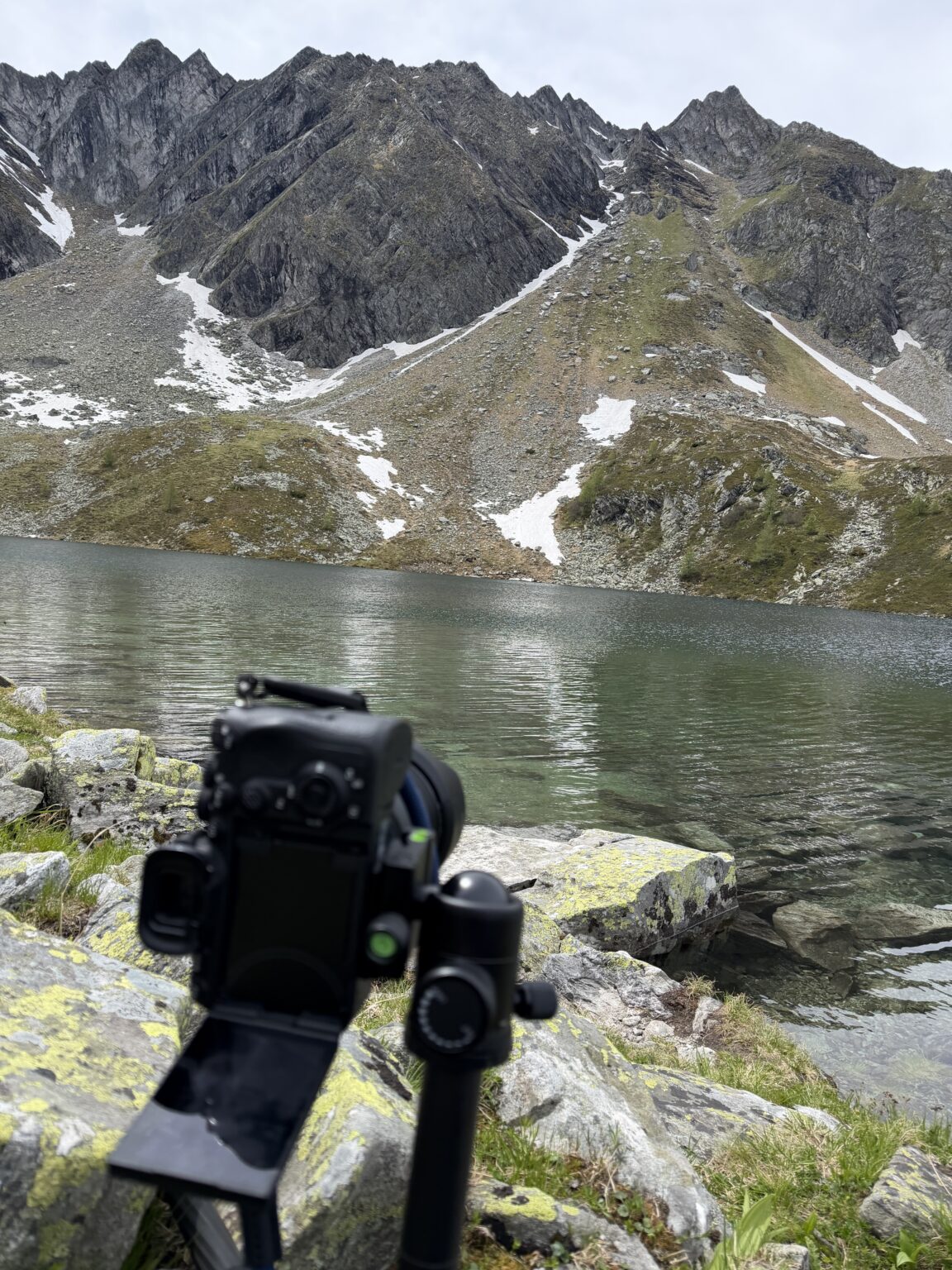
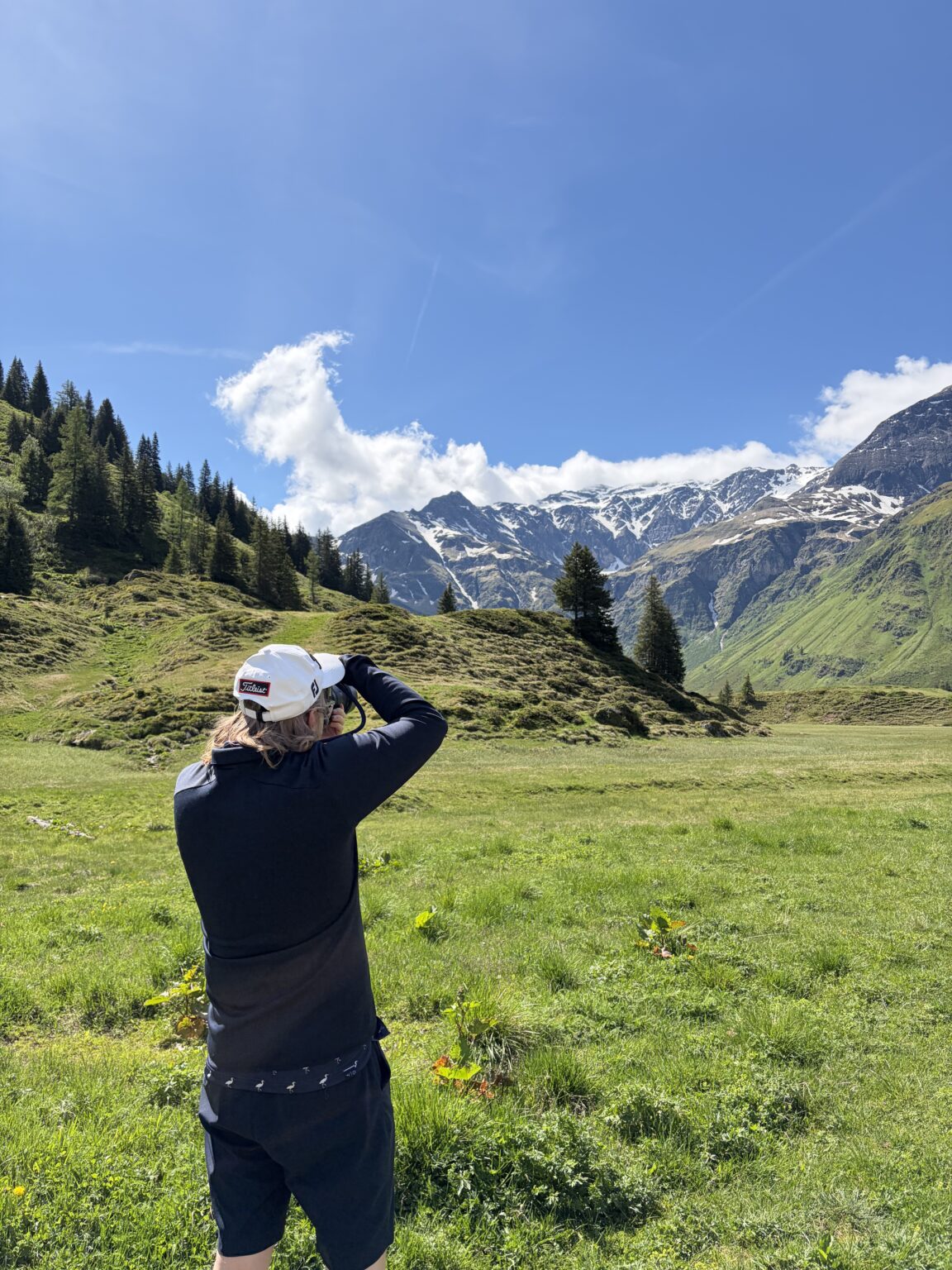
This photograph tells the story behind every image in this collection. Together with my wife, I carried my complete photography equipment—including professional Sony cameras, high-end lenses and a sturdy tripod—high into the Austrian Alps. Reaching these remote alpine lakes was an adventure in itself. Every step demanded effort, but we knew that the most extraordinary photographs are often found far beyond the places where most visitors turn back.
Rather than capturing simple snapshots, I wanted to create images that reveal every detail of these remarkable landscapes. Using Sony’s latest high-resolution camera together with advanced focus stacking techniques, I combined multiple exposures to achieve exceptional sharpness from the foreground rocks to the distant mountain peaks. This meticulous workflow allows every texture, reflection and snow-covered summit to be preserved with incredible precision.
Our journey became even more unforgettable when fresh snow fell overnight in the mountains—despite it already being June. The following morning greeted us with brilliant blue skies, lush green valleys and snow-covered alpine peaks. These rare weather conditions transformed the landscape into something truly extraordinary and offered photographic opportunities that exist only for a brief moment.
Every image in this gallery is the result of careful planning, technical precision and the willingness to carry professional photography equipment deep into the mountains. More than a collection of landscapes, this series is a visual story of exploration, perseverance and the unforgettable experience of discovering the beauty of Bad Hofgastein together.
Palfnersee — A Hidden Alpine Gem
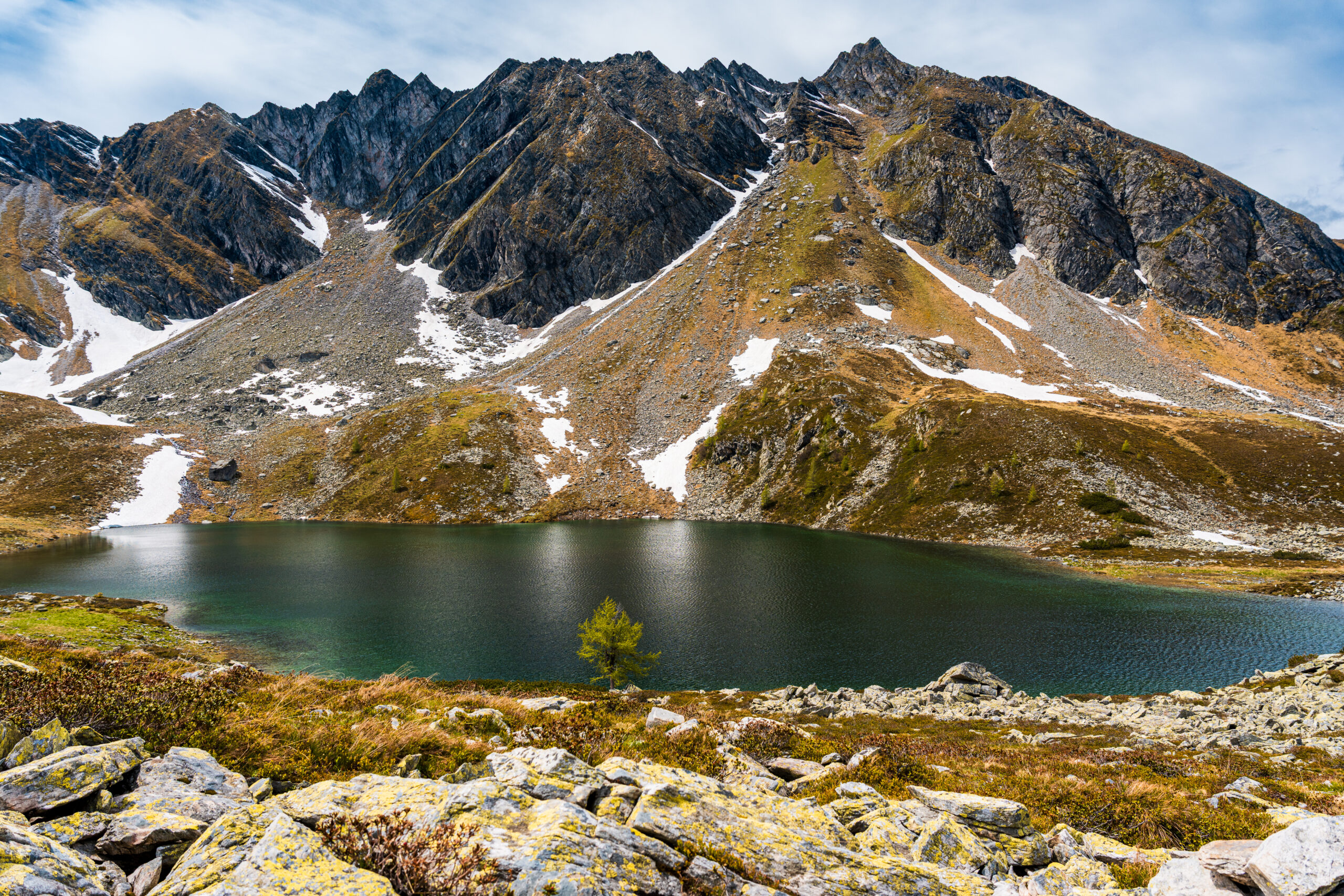
Hidden high above the Gastein Valley, the Palfnersee is one of the most peaceful places I discovered during our journey through Bad Hofgastein. Nestled within the rugged mountains of the Hohe Tauern National Park, the lake rewards those willing to leave the busy hiking trails behind and immerse themselves in the silence of the alpine landscape. The route begins at the Graukogel mountain station and follows the famous Swiss stone pine trail before leading towards this remarkable mountain lake.
When we arrived, the scene was unlike anything I had imagined. Although it was already June, fresh snow still clung to the steep mountain faces while the crystal-clear lake reflected the surrounding peaks beneath a bright alpine sky. The contrast between spring and winter created a landscape that existed only for a short moment before the remaining snow would eventually disappear.
Standing at more than 2,300 metres above sea level, surrounded by untouched nature and the imposing granite walls of the Graukogel massif, it is easy to understand why this place feels so special. There is no noise, no roads and no distractions—only the wind, the mountains and the quiet rhythm of the water.
As a landscape photographer, these are the moments I search for. Not simply beautiful scenery, but places that tell a story through light, weather and atmosphere. The Palfnersee is one of those rare locations where nature creates a composition that no architect could ever design—a reminder that some of the most extraordinary landscapes can only be reached on foot.
Behind the Lens
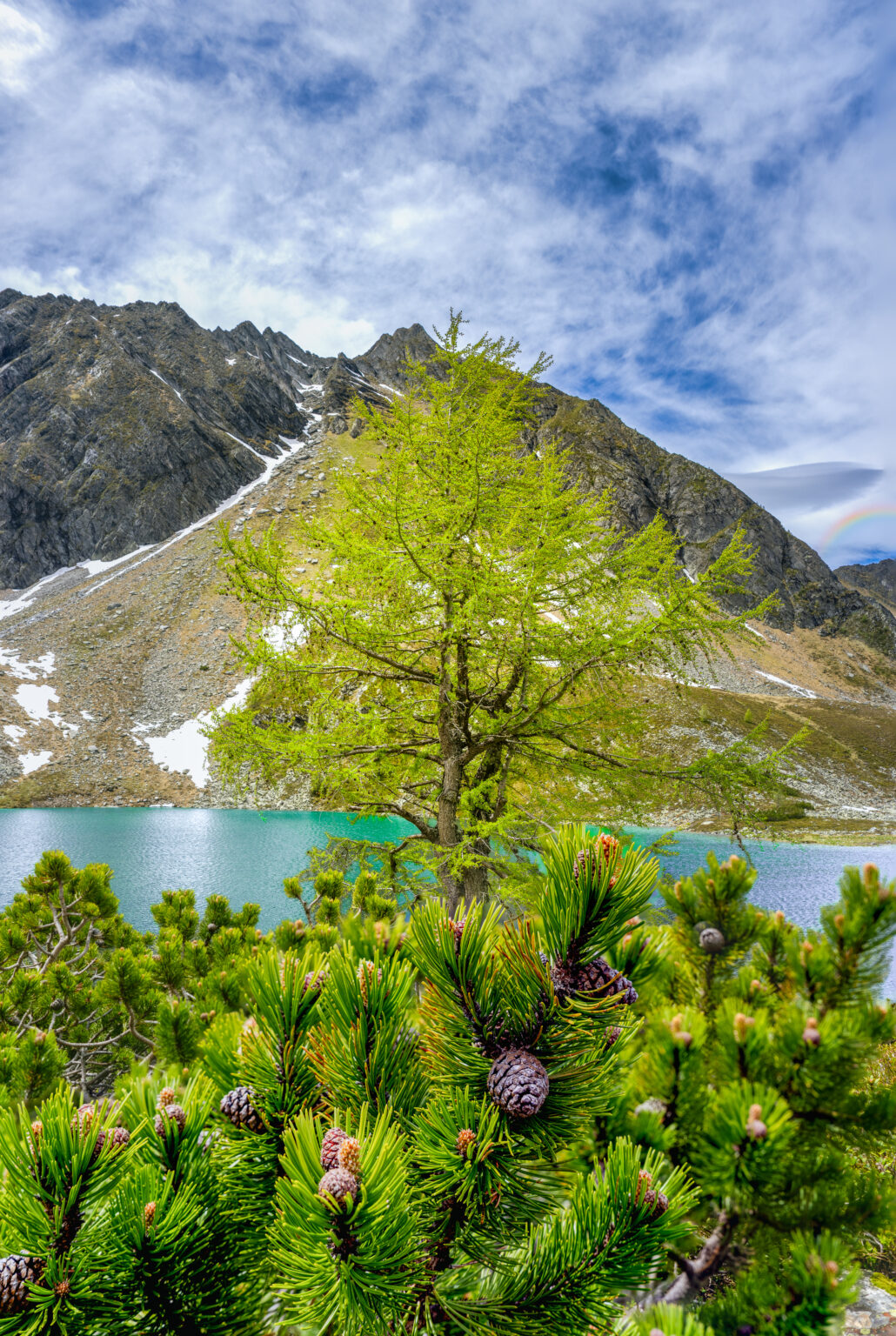
This is where every photograph truly begins.
Finding the perfect composition in the mountains is rarely a matter of luck. It requires patience, experience and the ability to read the landscape before the light disappears again. In the Alps, the weather can change within minutes. Clouds drift across the peaks, the wind alters the reflections on the water and sunlight constantly reshapes the scene. With only a limited amount of time at each location, every decision matters.
Before pressing the shutter, I carefully search for the strongest composition—balancing the foreground, the alpine lake, the rugged mountain ridges and the remaining patches of snow into a single image. Only when light, perspective and atmosphere come together does the photograph begin to tell the story I experienced in that moment.
Technical preparation is equally important. My equipment has to be positioned precisely on stable ground before capturing multiple exposures using focus stacking. This allows me to preserve extraordinary detail throughout the entire scene, from the rocks directly in front of the camera to the distant mountain peaks. The technology is only a tool—the real challenge is knowing exactly when to use it.
Working in the mountains also means staying flexible. Every weather change creates new opportunities, but it also demands quick decisions. A landscape photographer must constantly observe the surroundings, adapt to changing conditions and remain ready before the perfect light disappears again.
The journey does not end after the photograph has been taken. Every piece of equipment has to be carried back down the mountain, often after many hours of hiking. It is physically demanding, but standing in these remote places and returning home with images that tell a genuine story makes every step worthwhile.
The best photographs are not simply taken—they are earned through preparation, perseverance and a deep respect for nature.
The Swiss Stone Pine Trail — Walking Through an Ancient Forest
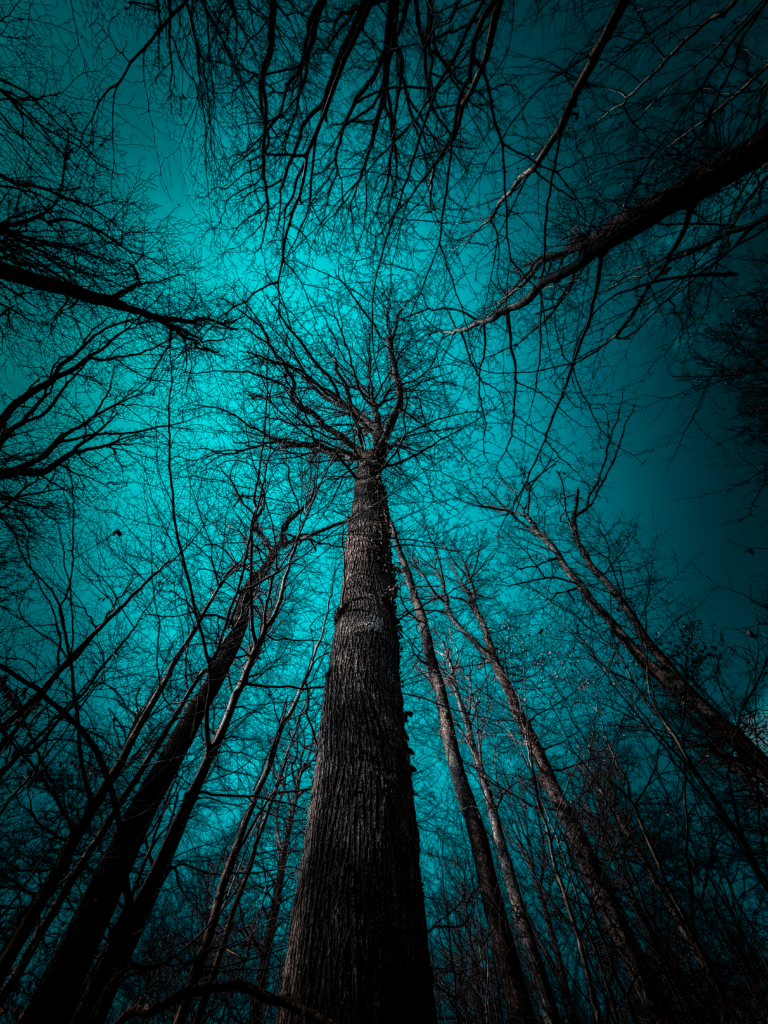
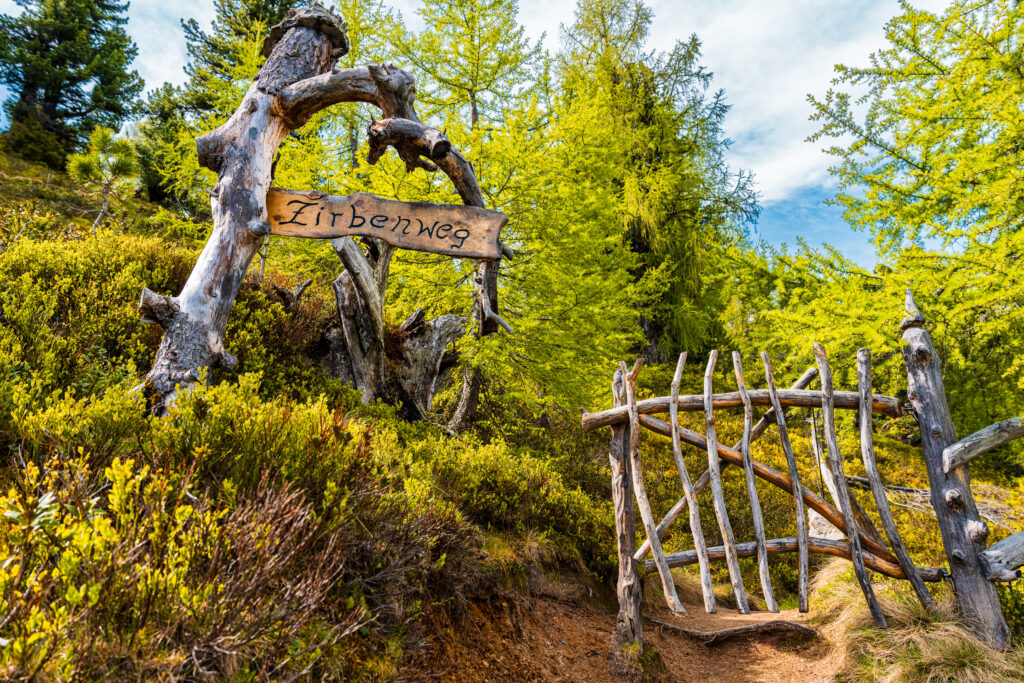
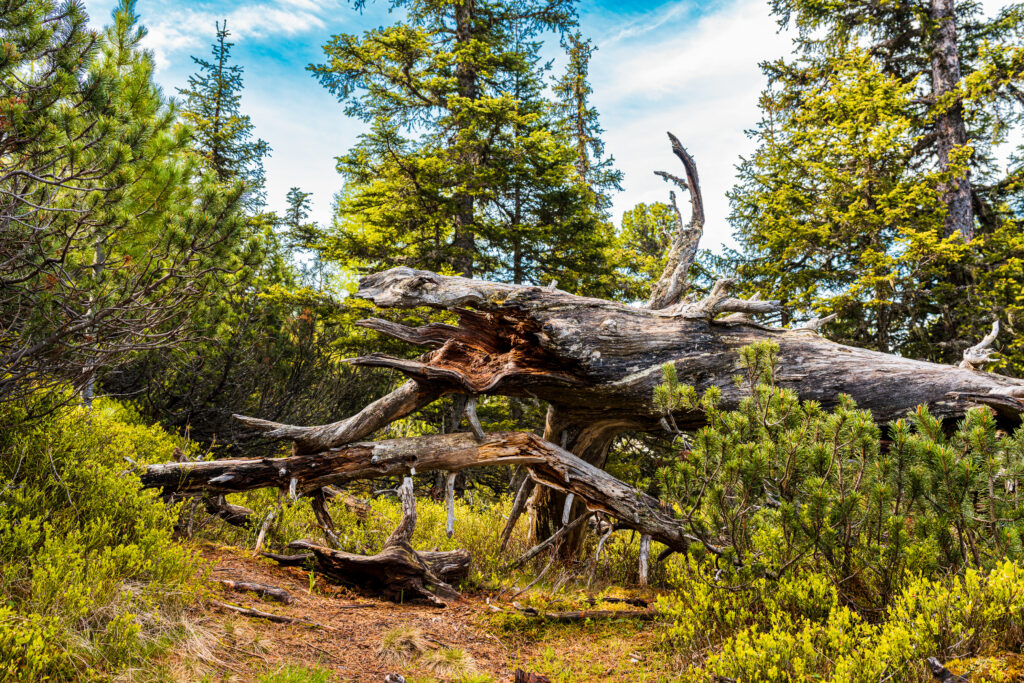
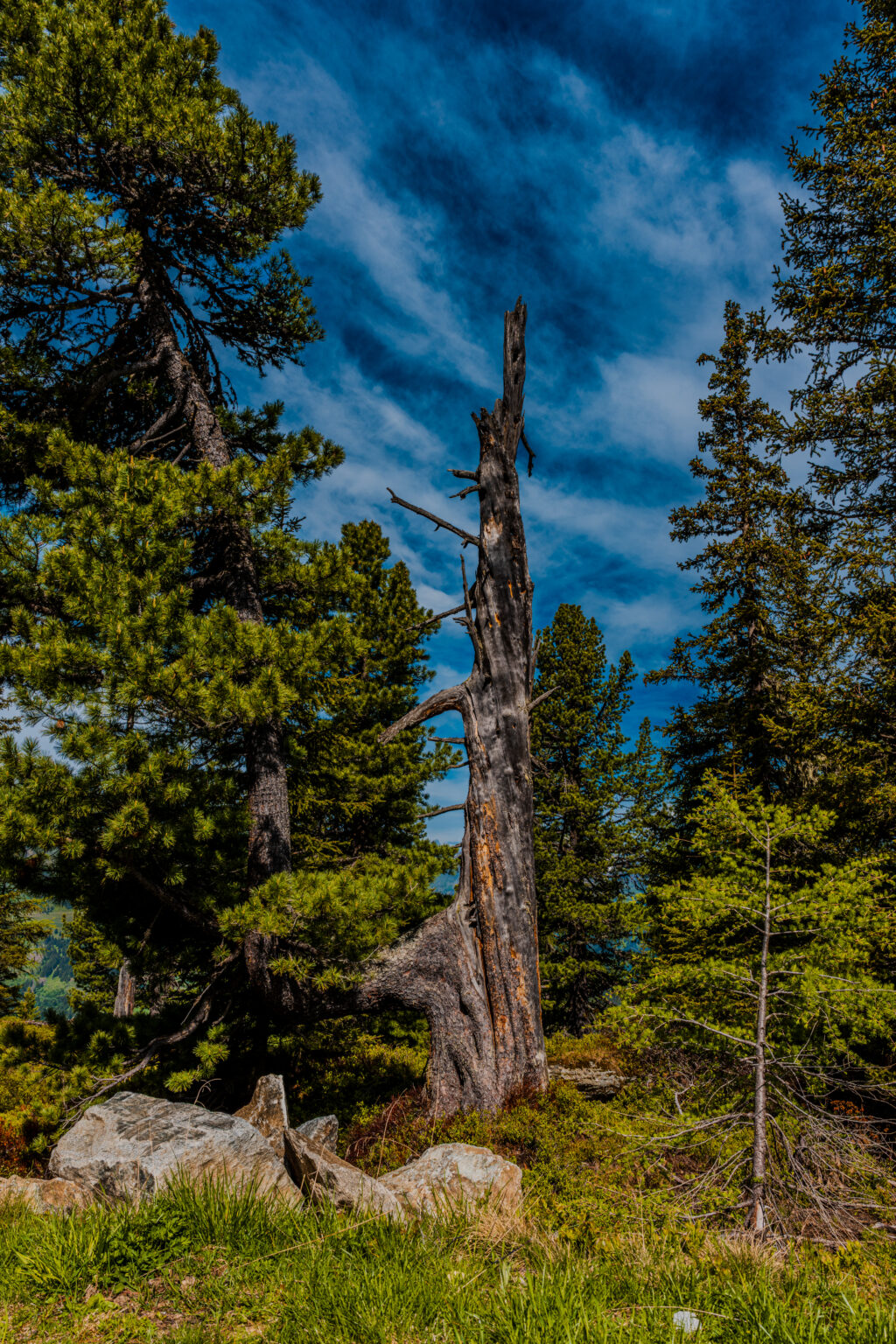
The Swiss Stone Pine Trail (Zirbenweg) on Graukogel is one of the most enchanting walks in the Gastein Valley. Beginning at the Graukogel mountain station, the trail winds through one of the oldest Swiss stone pine forests in the Alps, where many of the trees have stood for more than 250 years. The handcrafted wooden entrance, centuries-old trees and peaceful atmosphere immediately create the feeling of stepping into another world.
Walking through these ancient forests, I couldn’t help but think of the magical Elven forests from The Lord of the Rings. Sunlight filtered gently through the bright green needles while twisted tree trunks, moss-covered rocks and winding paths created a cinematic atmosphere that felt almost unreal. It was the perfect setting to capture images with the same storytelling approach that inspires much of my Fine Art photography.
Unlike many alpine hikes that focus solely on reaching a summit, the Zirbenweg invites you to slow down. Every bend in the trail reveals another composition waiting to be discovered. The constantly changing light, the rich textures of the ancient trees and the quiet beauty of the forest offered endless photographic opportunities before our journey continued towards the remote Palfnersee.
For me, this trail became far more than just the beginning of a hike. It was the opening chapter of an adventure through the Austrian Alps, where every photograph was carefully composed to capture not only the landscape itself but also the atmosphere and emotion of the place.
Some forests are simply beautiful. Others make you feel as though you’ve stepped into a story.


Stubnerkogel — Rising Above the Gastein Valley
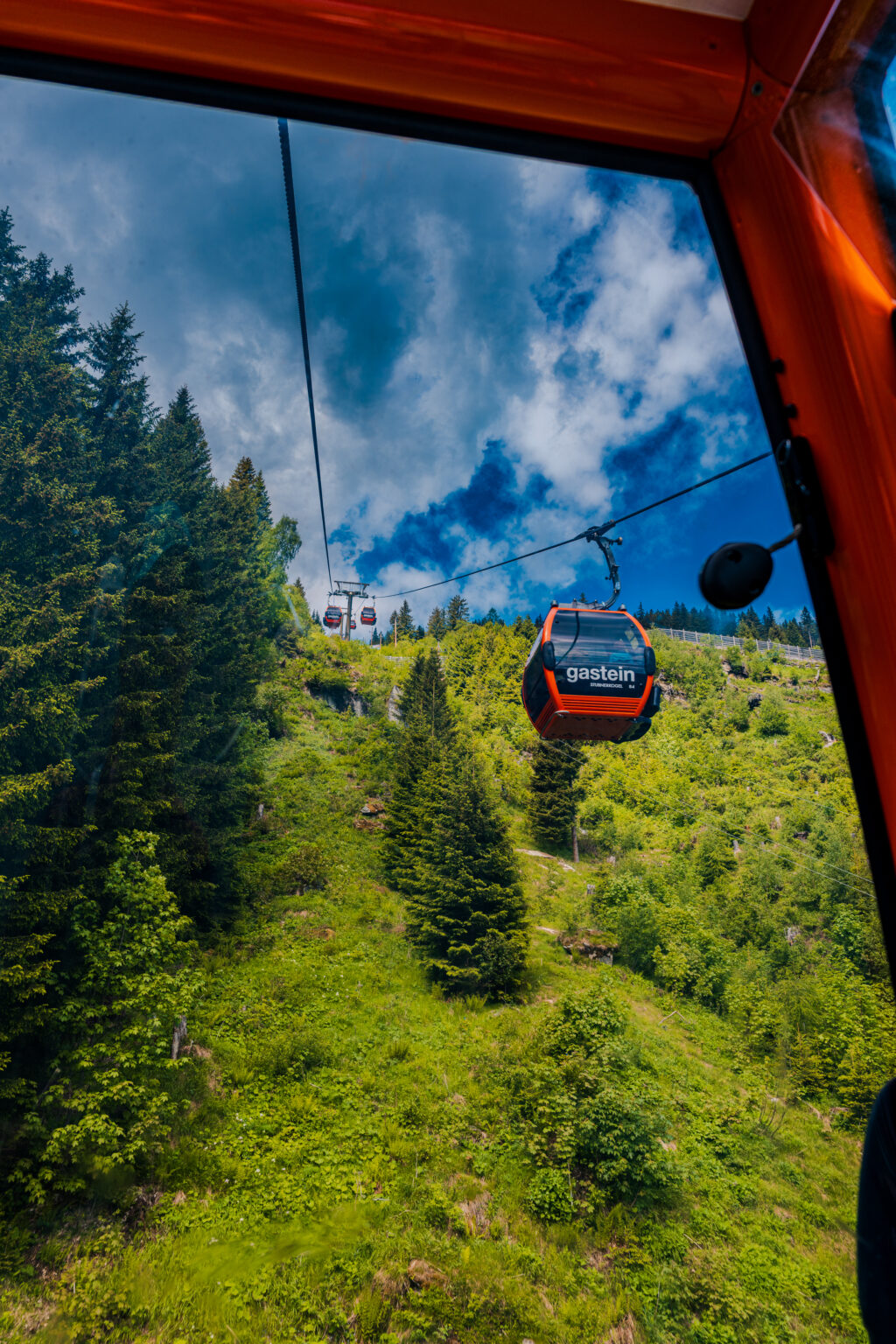
After exploring the ancient forests of Graukogel, our journey continued to one of the most iconic mountains in the Gastein Valley: Stubnerkogel. Instead of hiking every part of the ascent, we boarded the modern Stubnerkogel Cable Car, which carries visitors from Bad Gastein high into the heart of the Hohe Tauern Alps. The gondola climbs more than 1,100 meters, offering breathtaking views long before reaching the summit.
For me, the ride itself became part of the photographic experience. As the gondola quietly floated above dense forests, alpine meadows, and rugged mountain slopes, every passing minute revealed new compositions. From above, the landscape unfolded in ways that simply cannot be experienced from the hiking trails below.
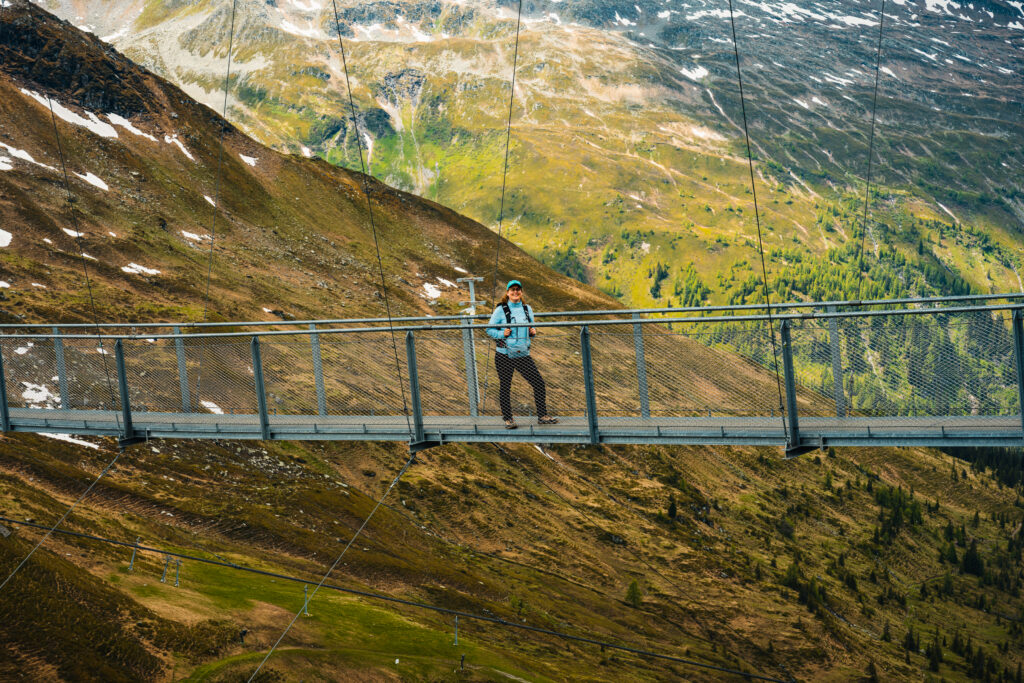
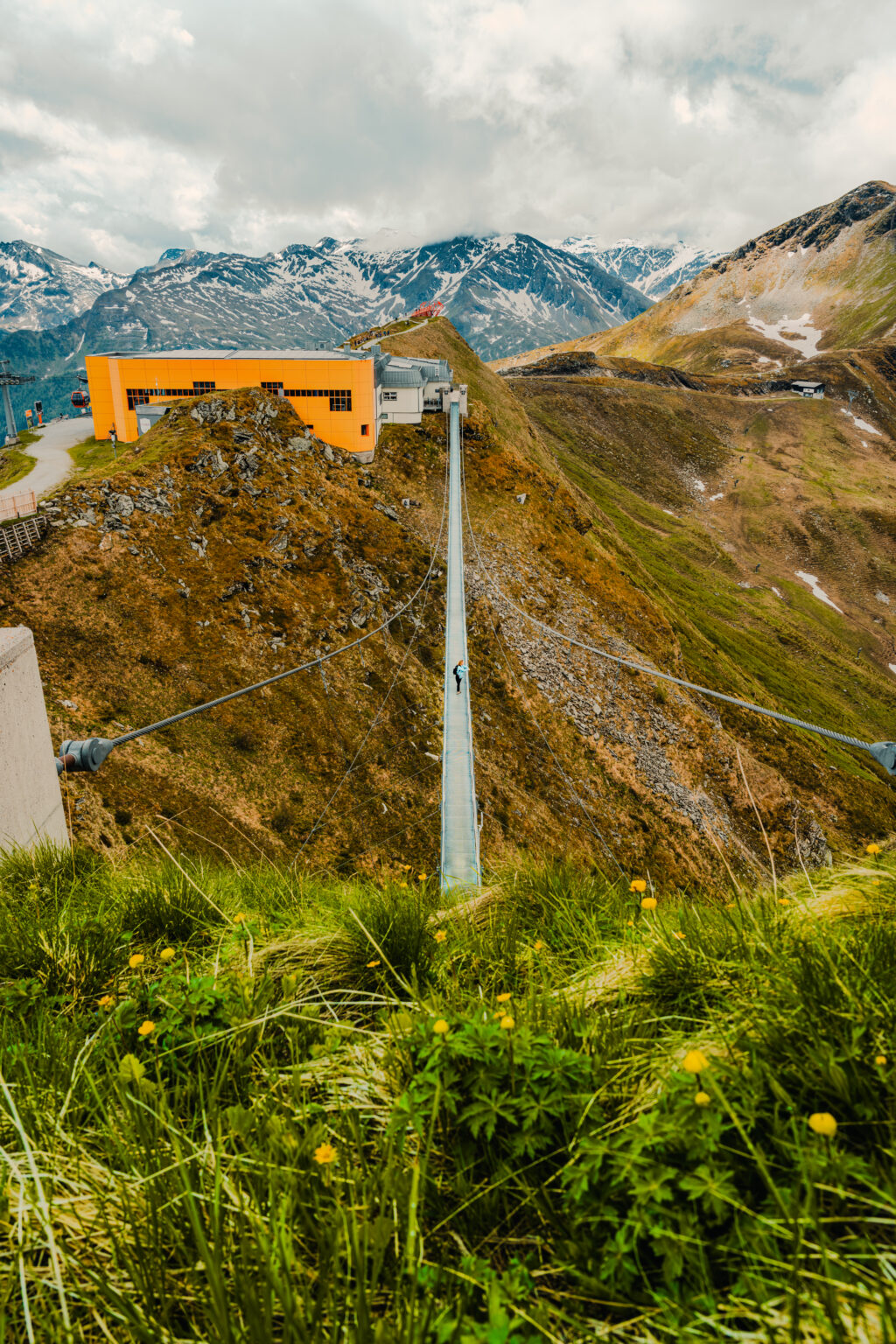
At an elevation of 2,246 meters, Stubnerkogel rewards visitors with sweeping panoramic views across the Austrian Alps. The summit is home to one of the region’s most famous attractions—the 140-meter suspension bridge—along with the Glockner Viewpoint and an extensive network of hiking trails leading deep into the surrounding alpine wilderness.
Mountain photography is never predictable. The weather can change within minutes, turning bright sunshine into dramatic cloud formations or revealing entirely new lighting conditions. With only a limited window to work, every photographer must stay flexible, constantly adapting to the changing landscape while searching for the strongest composition before the light disappears again.
For me, every ascent is more than reaching a destination. It is an opportunity to discover new perspectives, embrace the unpredictability of nature, and create photographs that capture not only the beauty of the mountains but also the experience of standing among them.
Every mountain tells a different story. The challenge is arriving at the perfect moment to capture it.
Sportgastein — Finding Peace at the End of the Valley
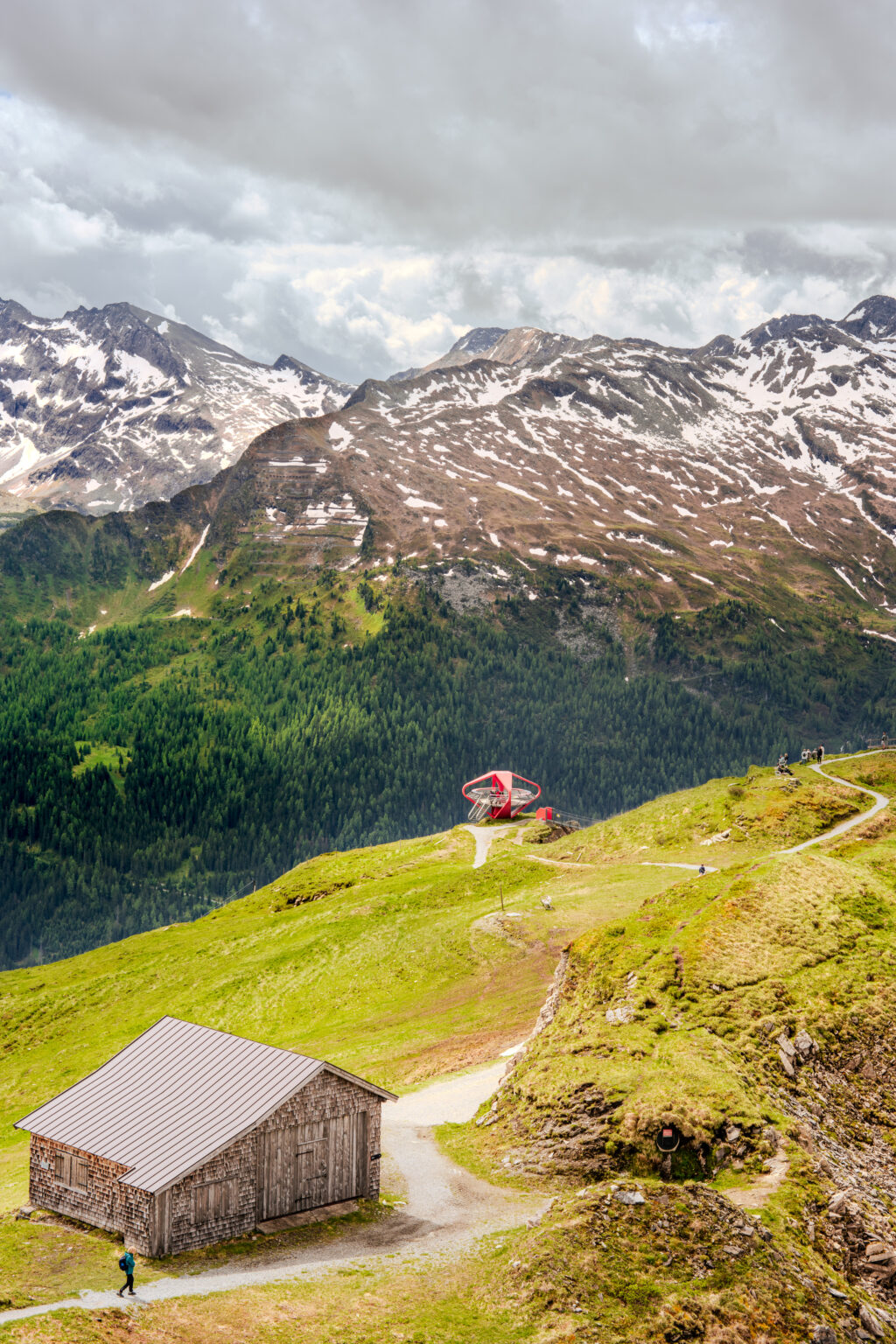
After exploring the panoramic peaks of Stubnerkogel, we continued our journey deeper into the Gastein Valley until we reached Sportgastein. Located at an elevation of approximately 1,590 meters, this high alpine valley marks the end of the road and serves as one of the gateways to Hohe Tauern National Park, the largest protected national park in the Alps.
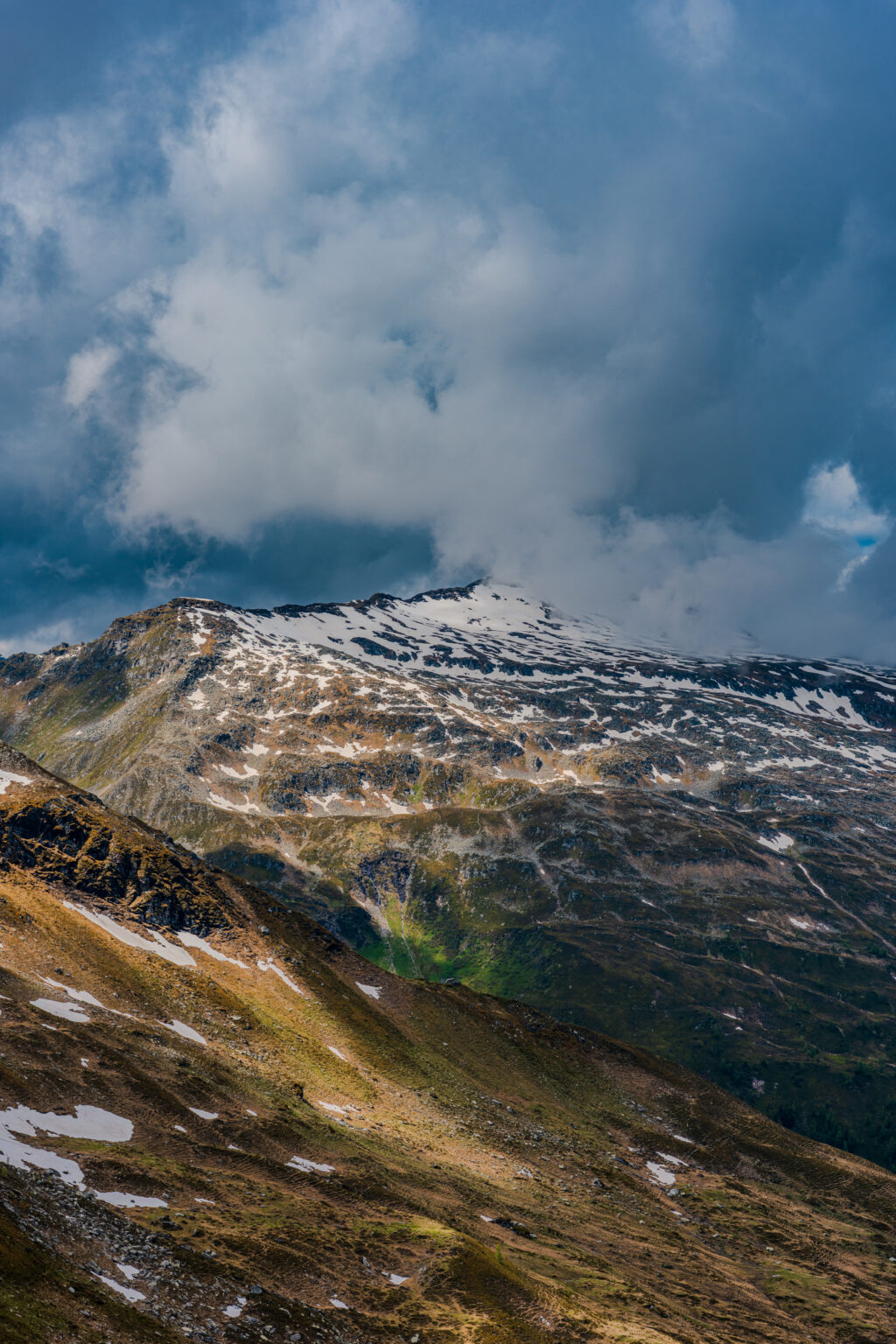
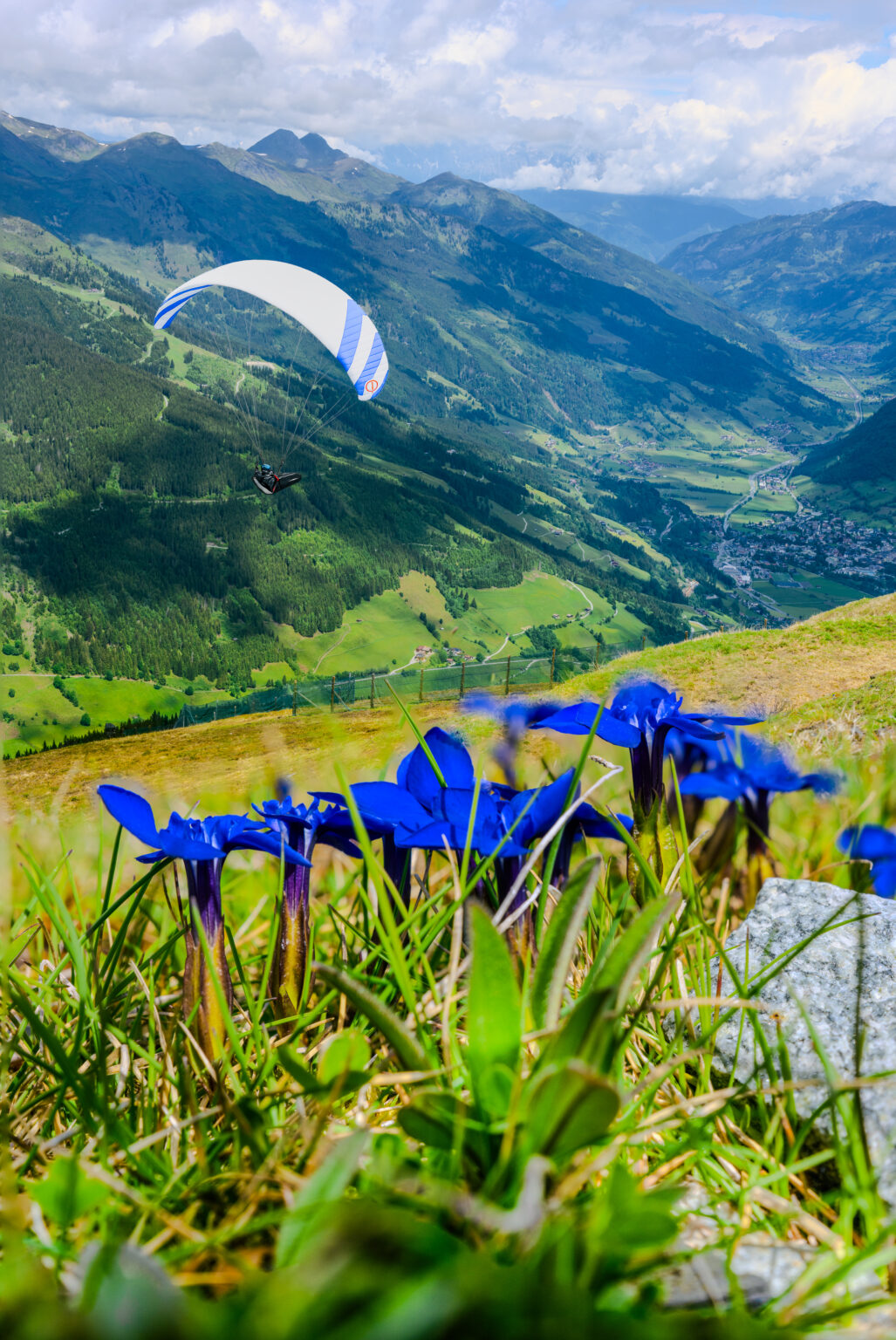
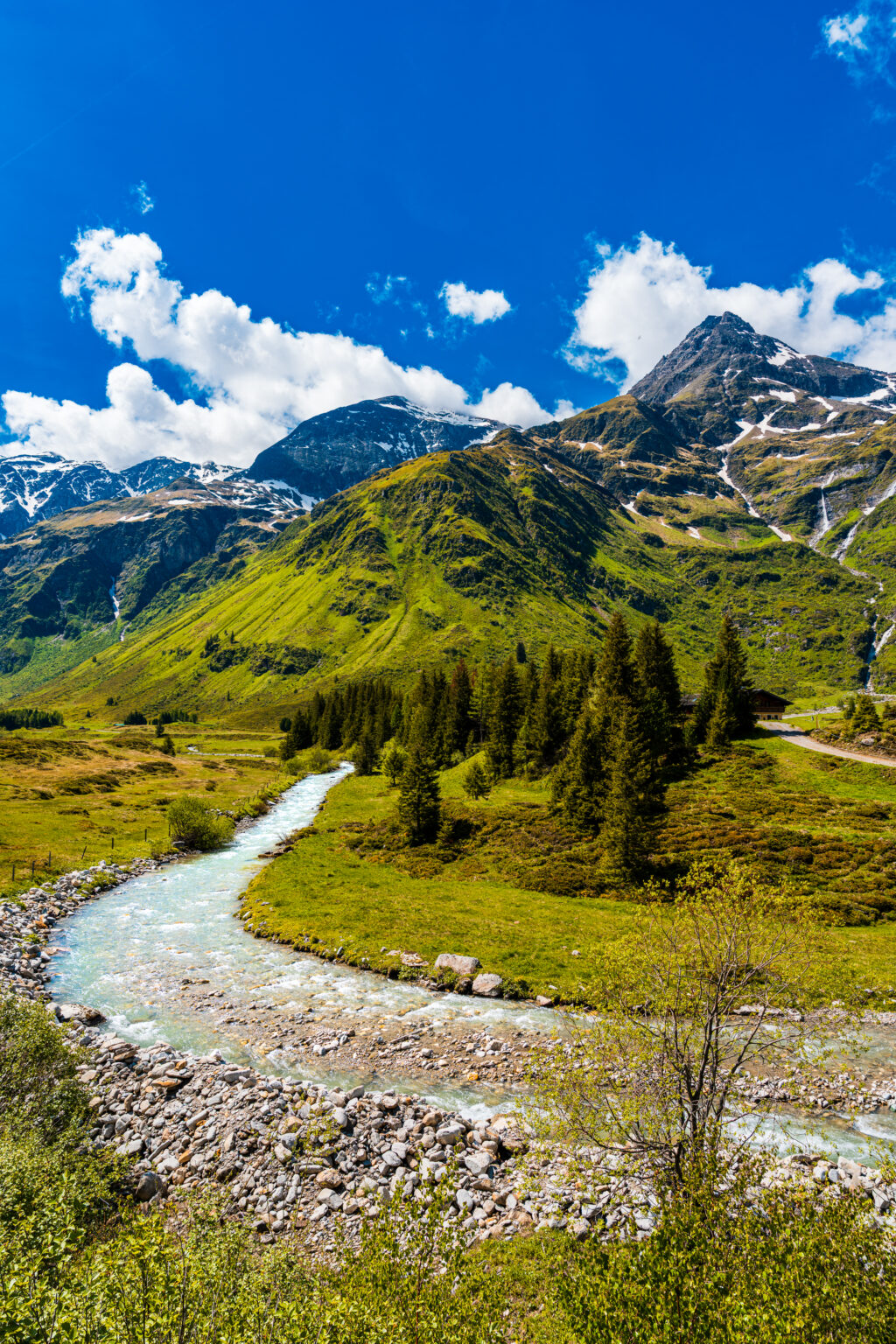
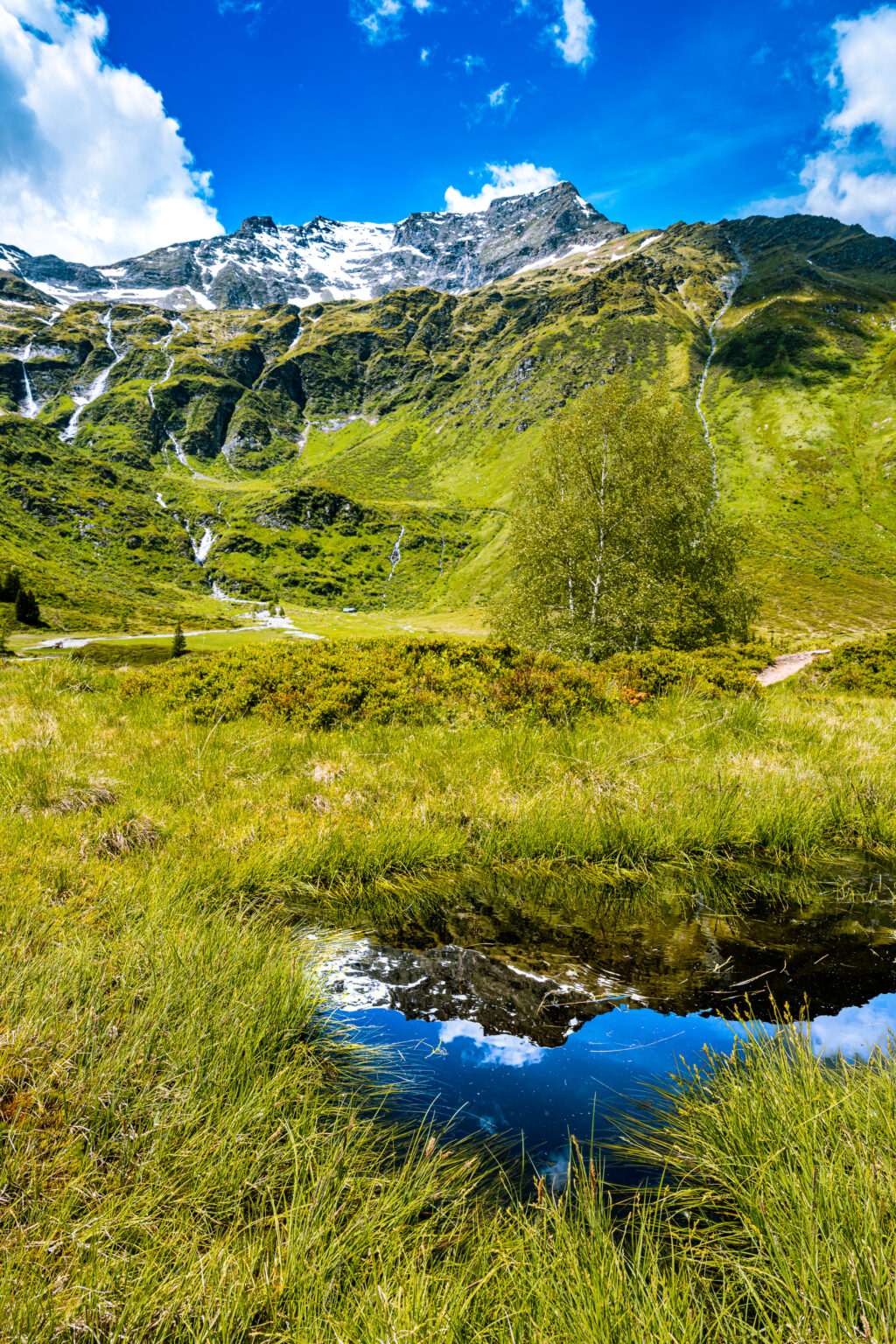
Unlike many mountain destinations, Sportgastein feels remarkably untouched. Surrounded by towering peaks, alpine meadows, crystal-clear streams, and vast open landscapes, it offers an atmosphere that invites visitors to slow down. Even during the summer months, patches of snow often remain on the surrounding mountains, creating a striking contrast between lush green valleys and rugged alpine terrain.
For me, Sportgastein became much more than another photography location. It is a true place of strength—a place where nature seems to quiet every distraction. I could easily spend an entire day here, simply walking, observing the constantly changing light, listening to the rivers flowing through the valley, and waiting for the perfect moment to press the shutter. Mountain weather changes rapidly, and every passing cloud transforms the landscape into a completely new scene.
Photography in Sportgastein is not about rushing from one viewpoint to another. It is about slowing down, being present, and allowing nature to reveal itself. Some of my favorite images from this journey were captured simply by taking the time to stop, breathe, and appreciate the silence surrounding me.
Sportgastein reminds us that the most rewarding photographs often come to those who are willing to slow down and truly experience the landscape before capturing it.



The Trail to Prossau — Following the Glacier’s Path
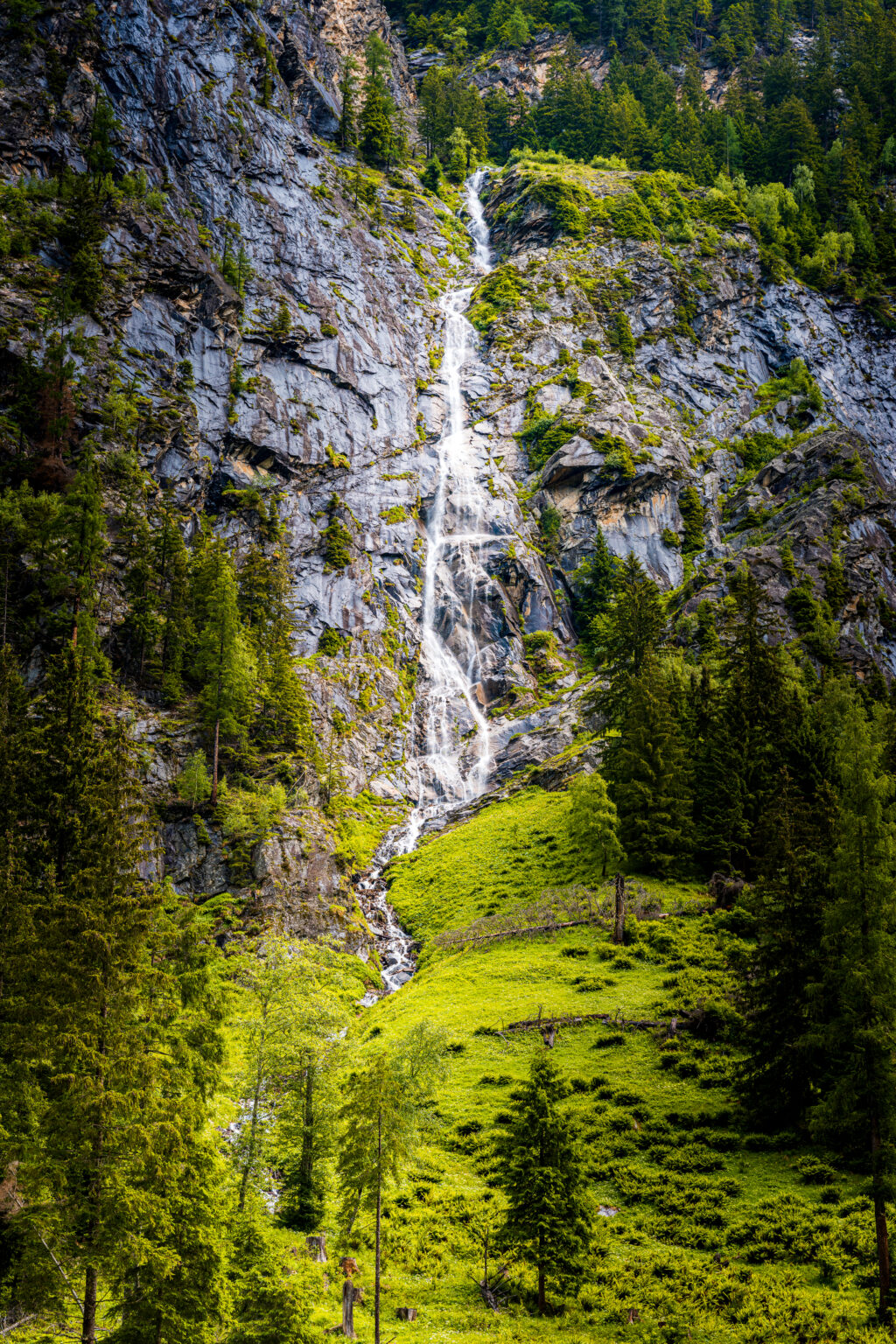
Leaving the wide alpine meadows of Sportgastein behind, our journey continued along one of the most rewarding hiking trails in the Gastein Valley—the scenic route to Prossau. Winding through the upper Kötschachtal, the trail follows crystal-clear mountain streams, cascading waterfalls, and the meltwater flowing down from the surrounding glaciers of Hohe Tauern National Park.
One of the area’s most fascinating natural features is the wide glacial riverbed, where countless rocks display striking shades of red. Their distinctive color comes from iron-rich minerals that have been exposed and polished over thousands of years by glacial ice and rushing meltwater, creating a landscape unlike almost anywhere else in the Austrian Alps.
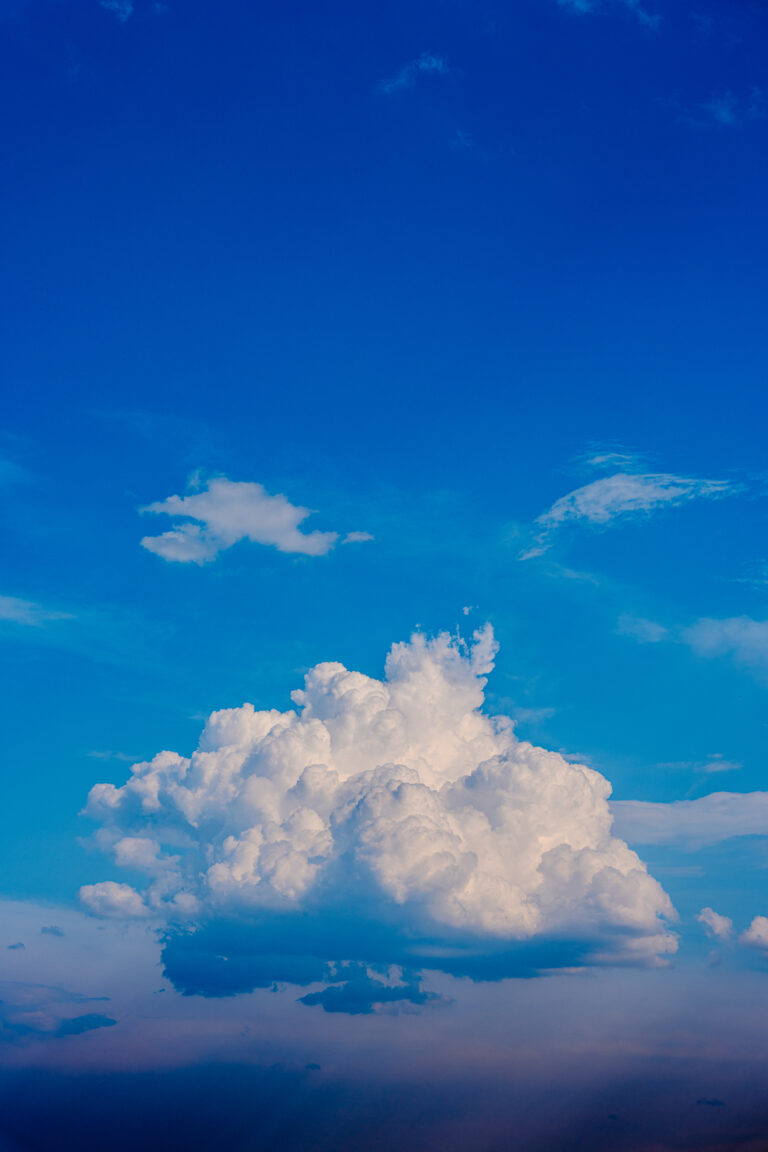
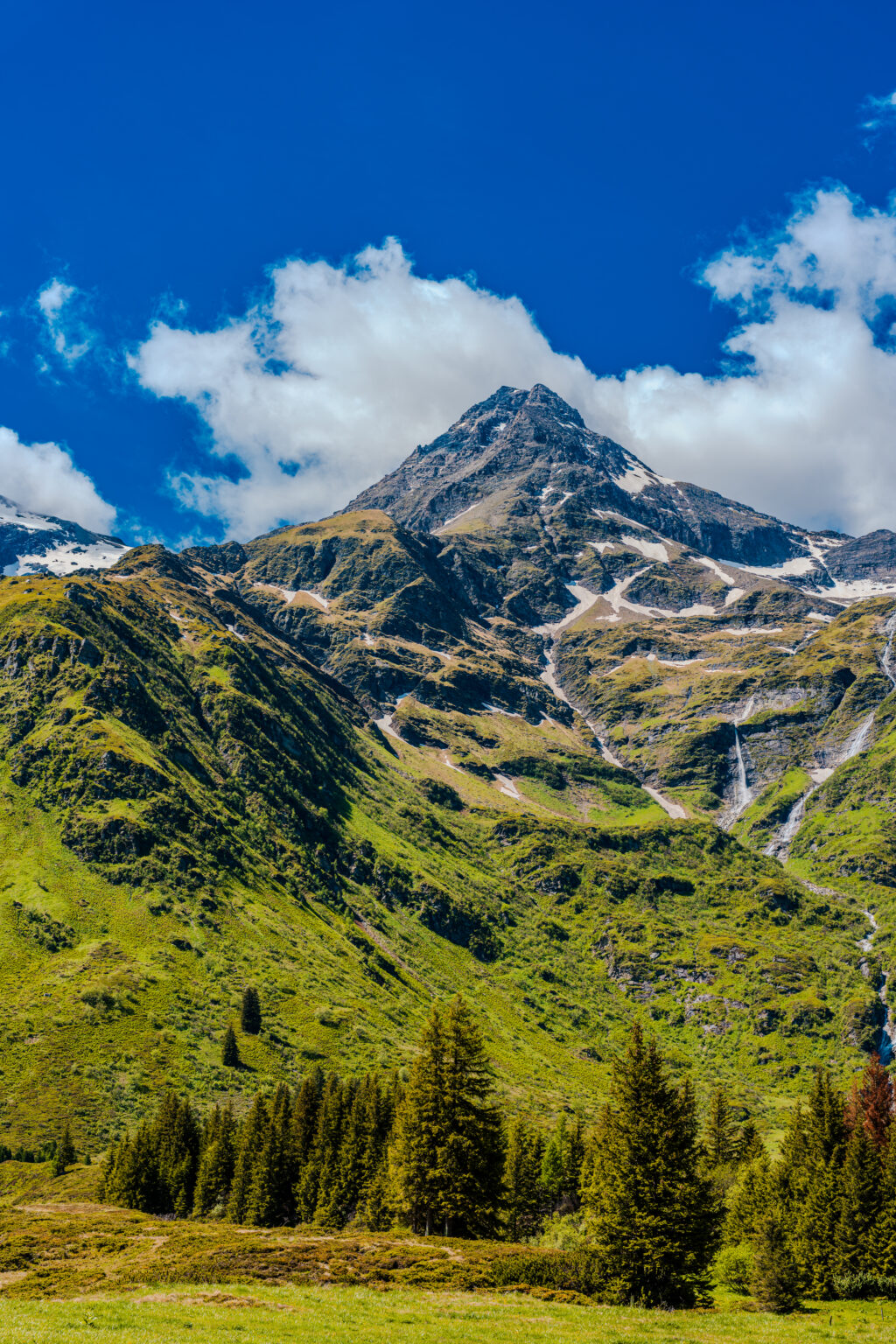
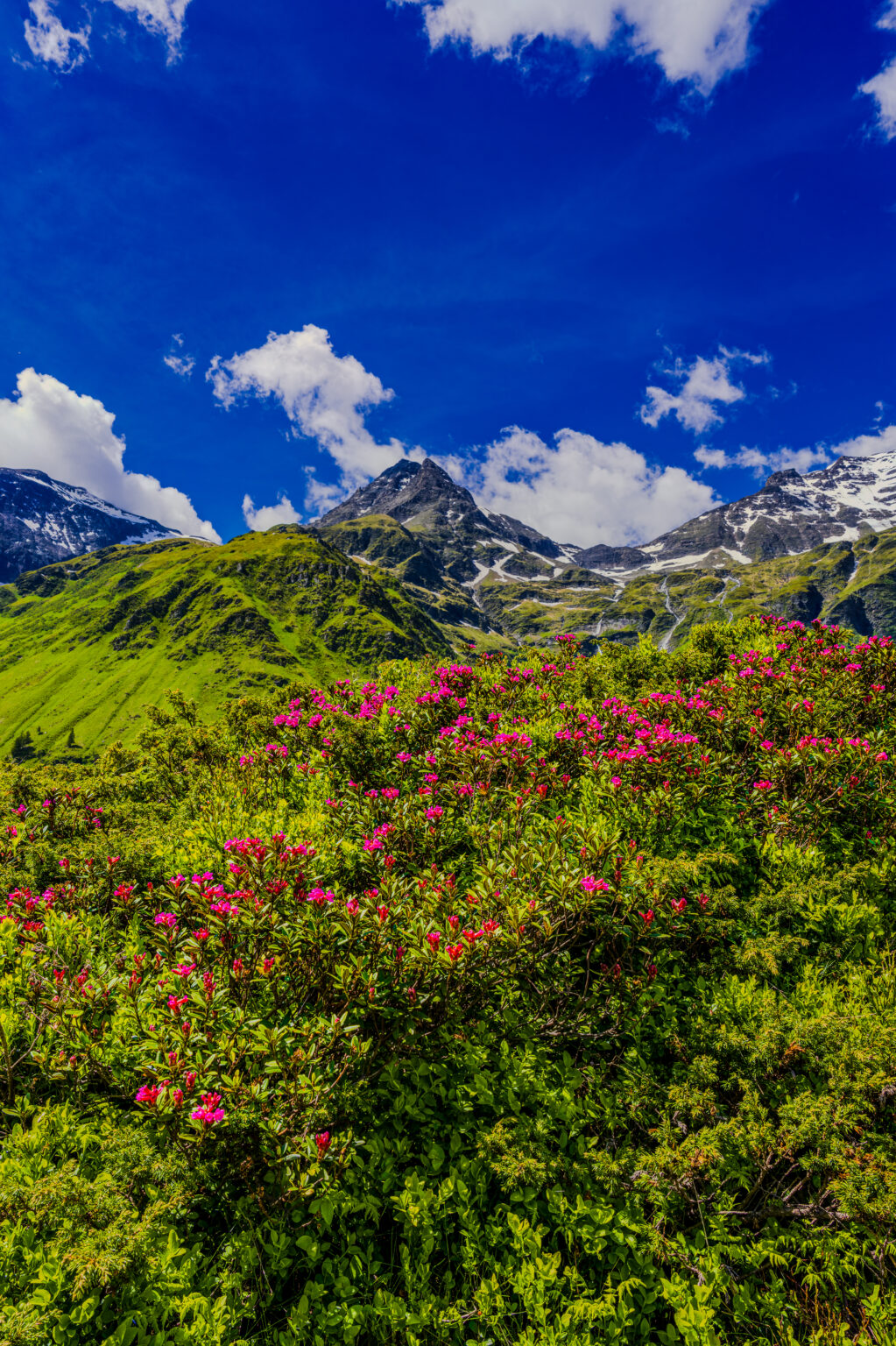
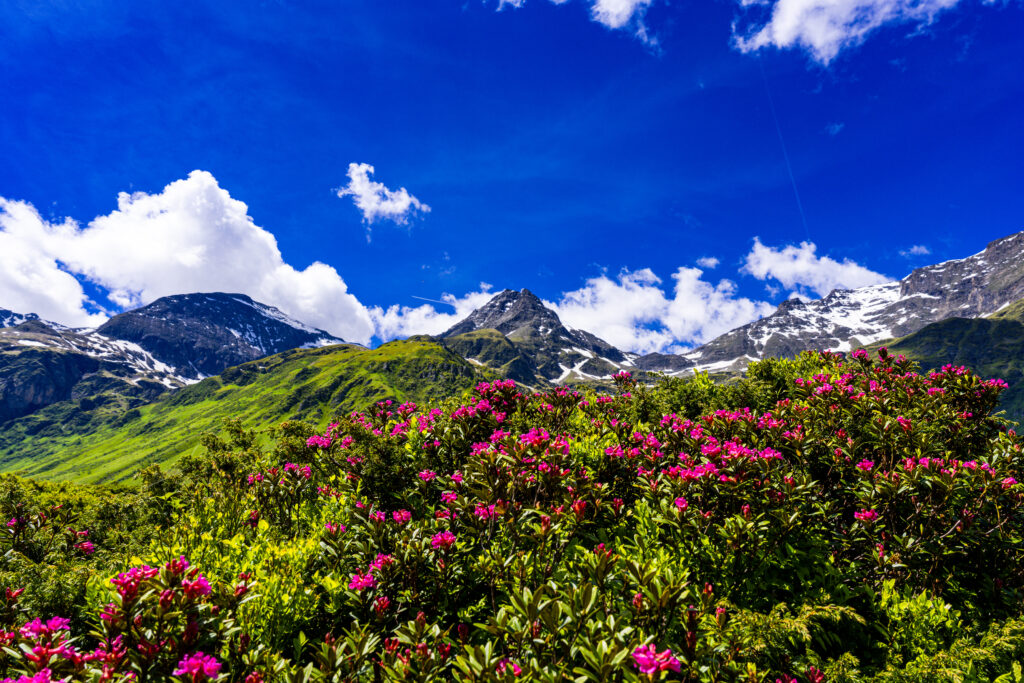
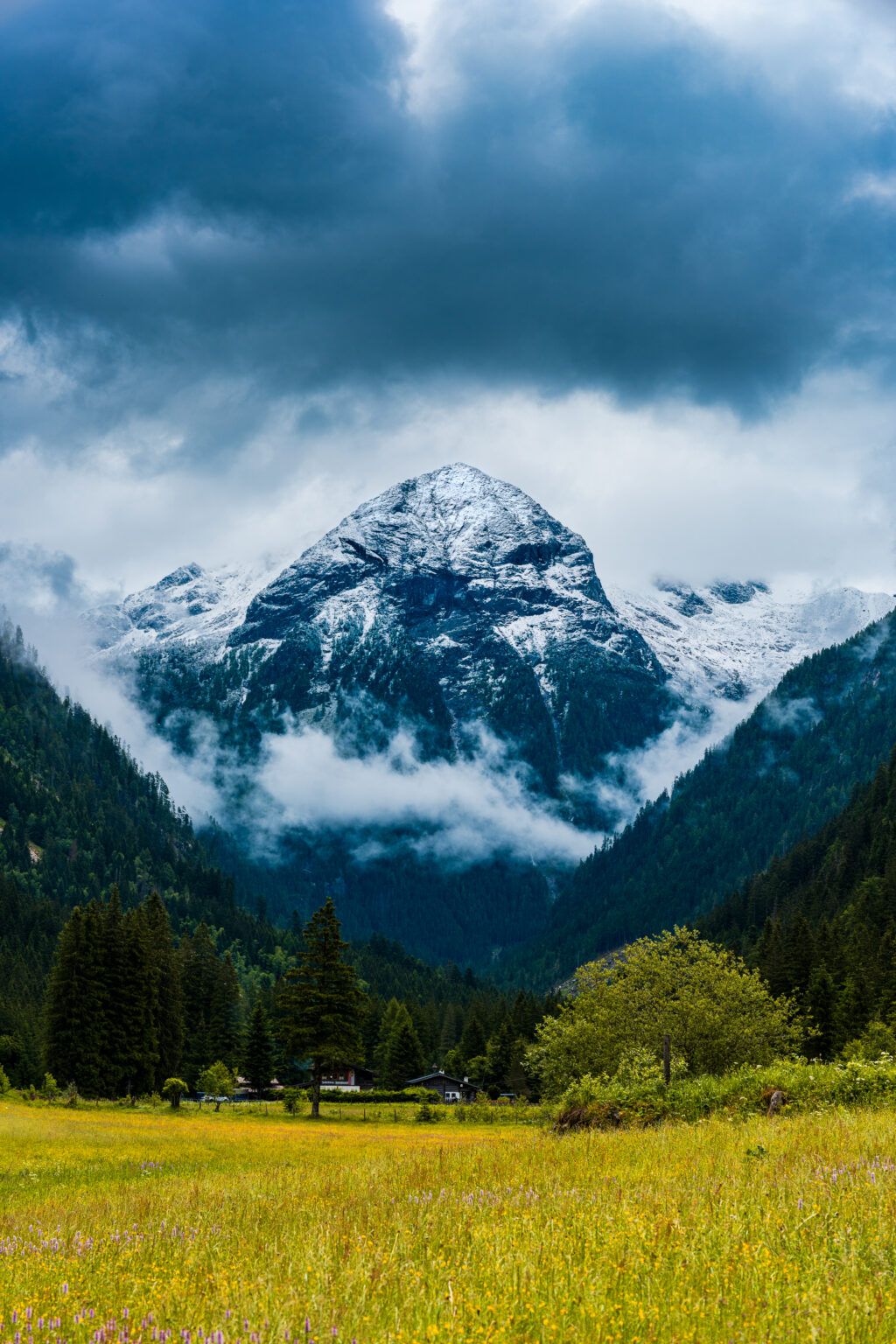
The weather transformed the scenery into something truly unforgettable. Fresh snowfall covered the highest peaks, while the valley below remained lush and vibrant in every shade of green. Wisps of cloud drifted between the mountains, revealing and concealing the summits with every passing minute. The combination of snow in late June, dramatic weather, and vivid alpine meadows created an exceptionally rare atmosphere that felt almost unreal.
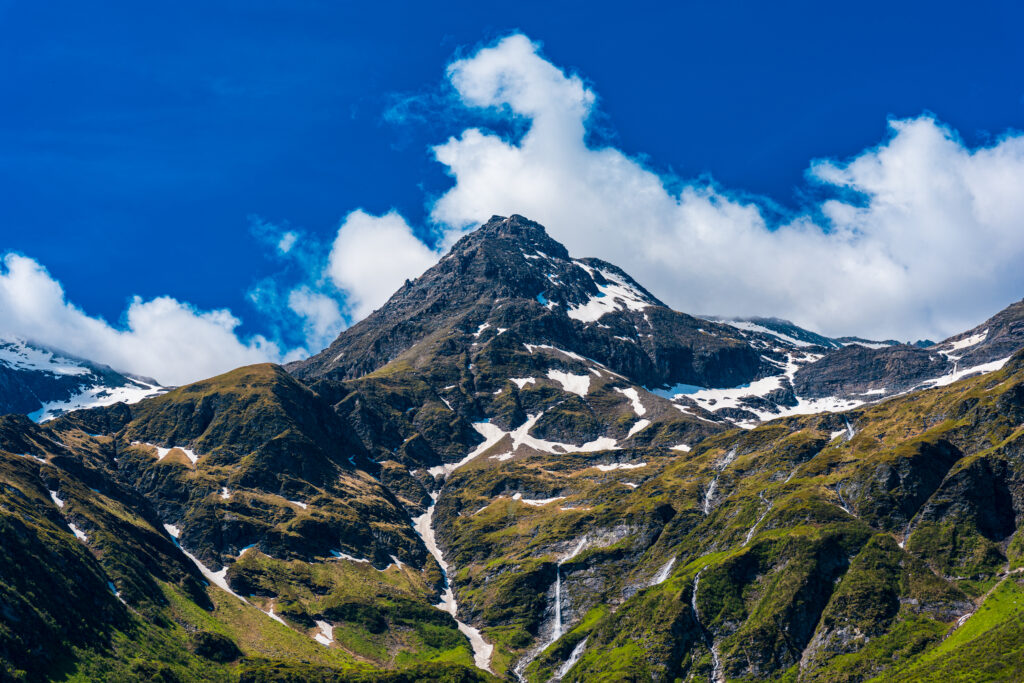
This photograph captures what I like to call „The Mountain Spirit.“ The mountain seems to emerge from the clouds like a silent guardian watching over the valley. It was one of those fleeting moments where light, weather, and landscape aligned perfectly—a reminder that nature always has the final word, and that the most memorable photographs are often the ones you can never truly plan.



The Bad Gastein Waterfall — The Heartbeat of the Valley
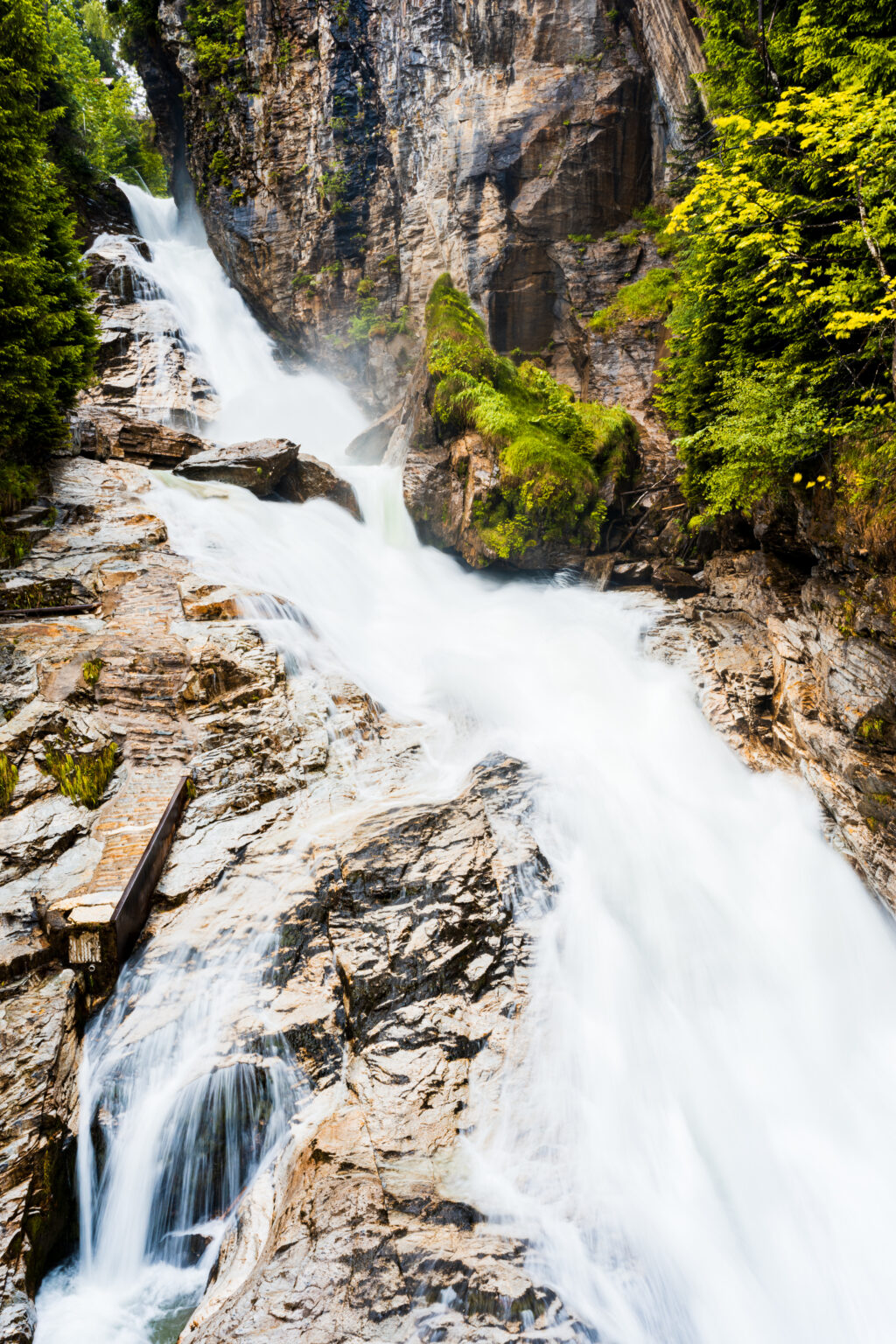
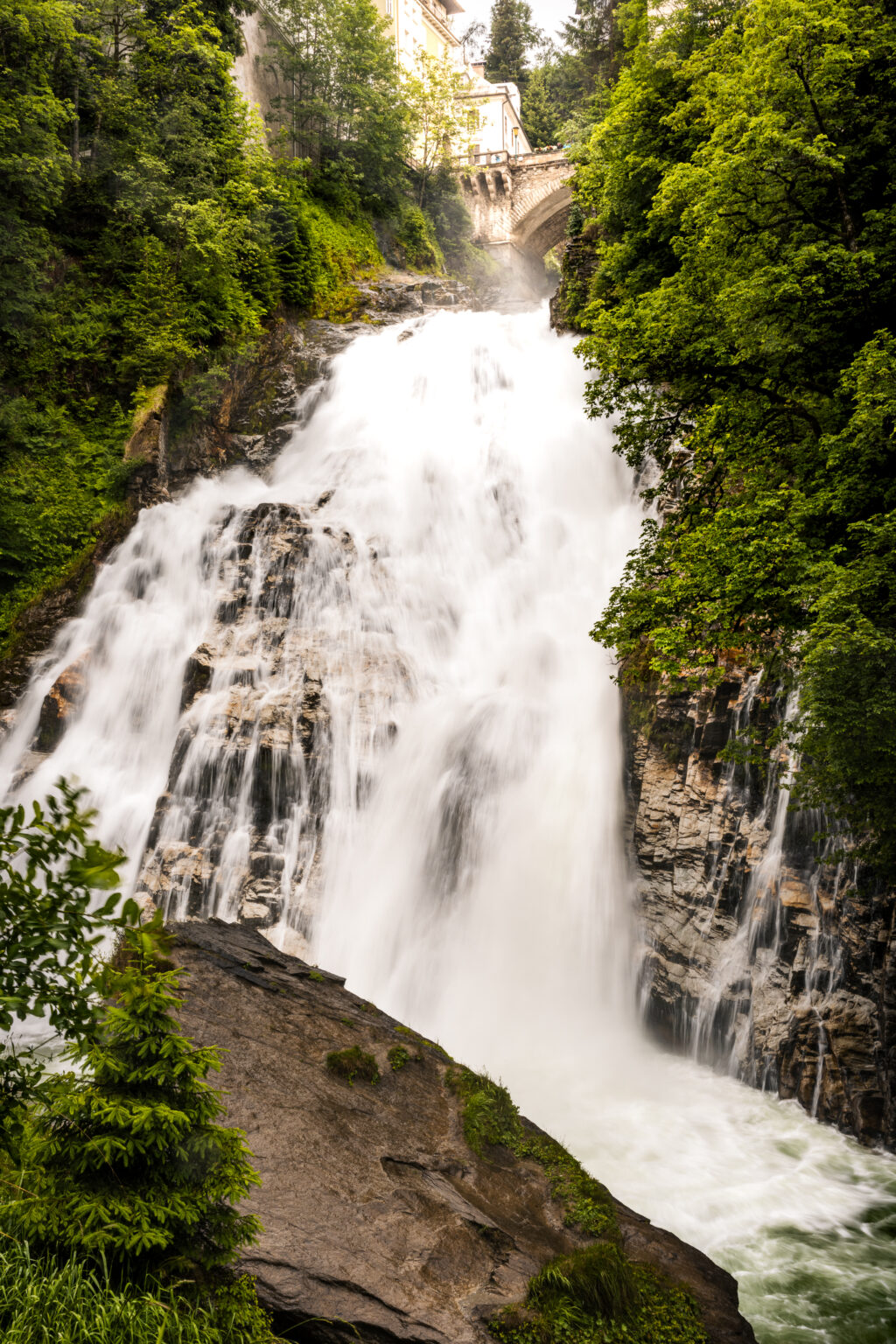
No visit to Bad Gastein would be complete without witnessing its most iconic natural landmark—the Bad Gastein Waterfall. With a total drop of 341 meters over three dramatic cascades, the Gasteiner Ache plunges directly through the center of the historic spa town, creating one of the most spectacular urban waterfalls in Europe.
Fed by the Anlaufbach and the Naßfelder Ache, both originating in Hohe Tauern National Park, the waterfall has shaped the identity of Bad Gastein for centuries. Its constant roar, the refreshing mountain mist, and the impressive force of the water create an atmosphere unlike anywhere else in the Alps.
Overlooking the falls is the historic Waterfall Bridge, originally built in 1840 and expanded in 1927. From here, visitors enjoy breathtaking views of the cascading water, the surrounding Belle Époque architecture, and the lush forests that frame the gorge.
The Bad Gastein Waterfall has inspired painters, photographers, poets, and travelers for generations. Standing beside its immense power, it becomes clear why this place remains one of Austria’s most unforgettable natural landmarks. Every season transforms the scenery, but after days of rain and the remaining snow high in the mountains, the waterfall reaches an even greater intensity—thundering through the valley with extraordinary force.
For me, it is far more than a tourist attraction. It is the unmistakable heartbeat of Bad Gastein, where nature and history meet in one unforgettable place.