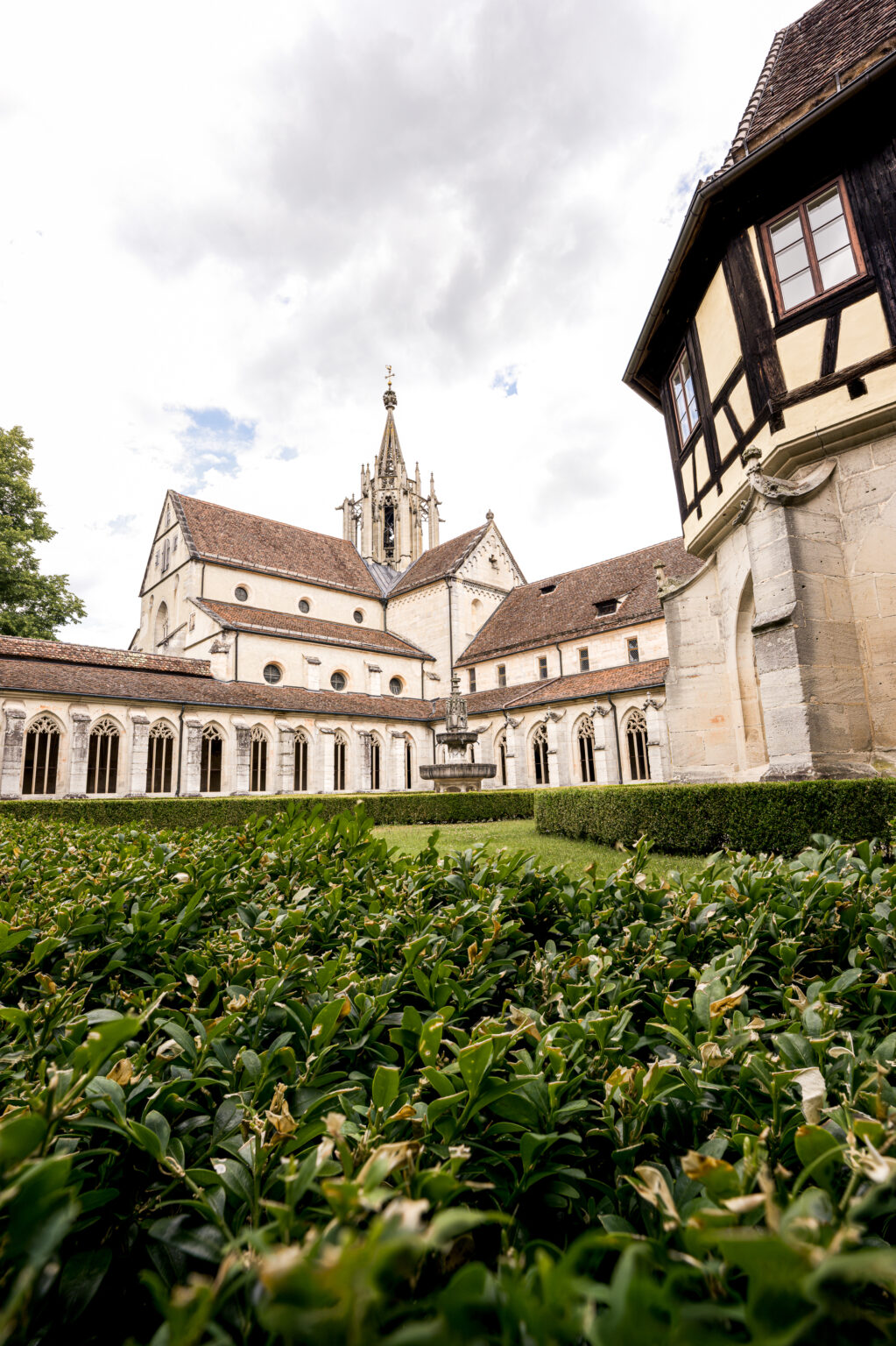
For more than 800 years, the courtyard of Bebenhausen Abbey has connected the monastery’s living quarters, church, and cloisters. Surrounded by Gothic arcades and weathered stone, this space reflects the timeless balance between architecture, craftsmanship, and contemplation that defines the historic abbey.
Founded in 1190 as a Cistercian monastery, Bebenhausen Abbey has stood for more than eight centuries at the edge of the Schönbuch forest near Tübingen. Originally established by monks from Schönau Abbey, it grew into one of the most influential and prosperous monastic communities in medieval Württemberg before later serving as a royal hunting lodge and even as the seat of a regional parliament.
Today, the complex remains one of the best-preserved monastic ensembles in Germany. Romanesque foundations, Gothic architecture, intricate stone carvings, vaulted ceilings, cloisters, and centuries of craftsmanship coexist within its walls, creating a unique dialogue between history, light, and space.
This collection is not intended as a documentary record of the monastery. Instead, it is a photographic study of architecture itself. Each image isolates a particular moment, detail, perspective, or atmosphere found within Bebenhausen.
While the photographs belong to the same historic place, they do not depend on one another. Every image is designed to stand on its own—as a fine art print, a gallery piece, a poster, or a visual statement in its own right.
Together, they form a collection. Individually, they become their own stories.
— Philipp Elverfeld
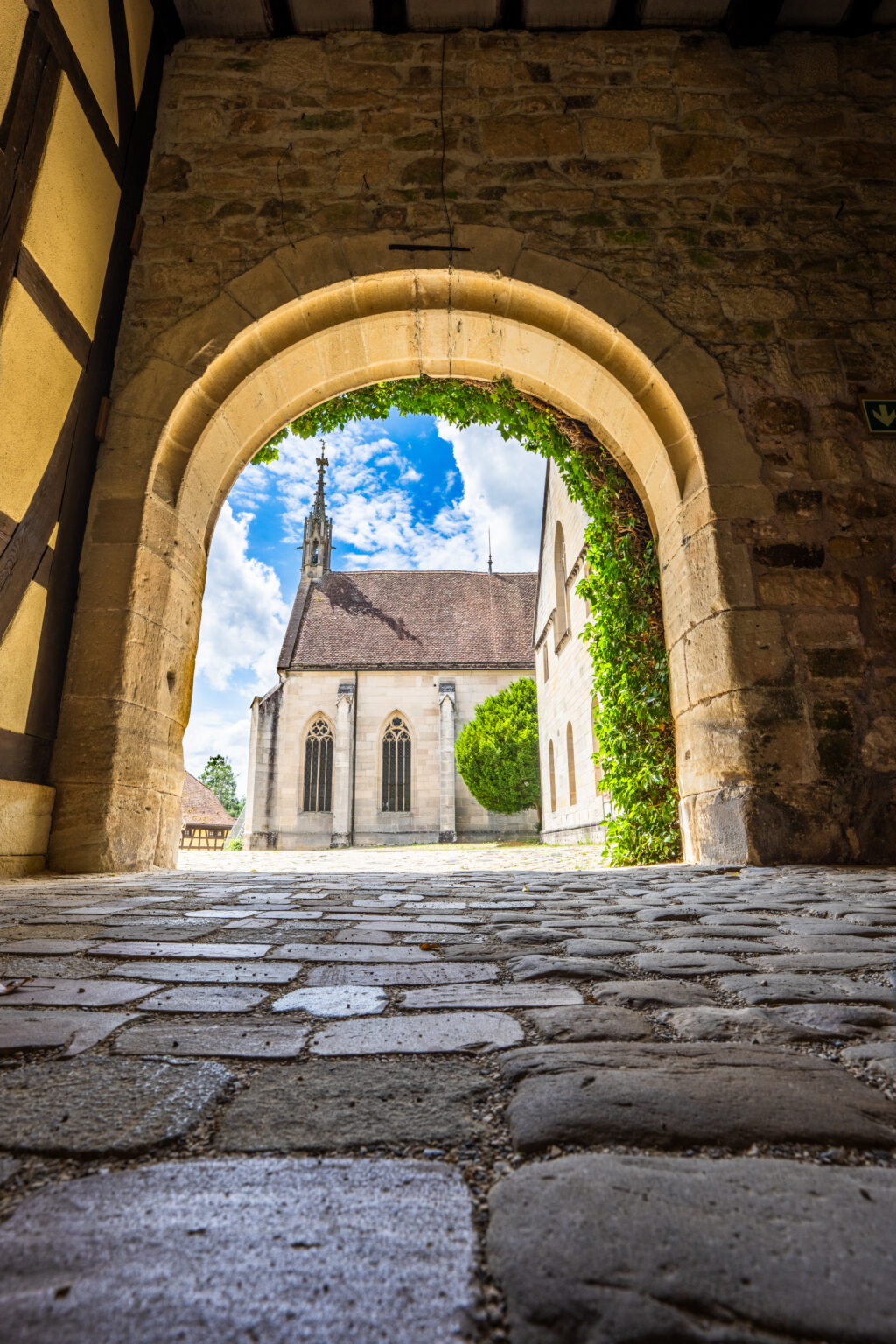
For more than eight hundred years, visitors have entered Bebenhausen Abbey through passages like this one. Framed by weathered stone, historic timber structures, and centuries of craftsmanship, the archway creates a transition between the outside world and the quiet atmosphere of the monastery.
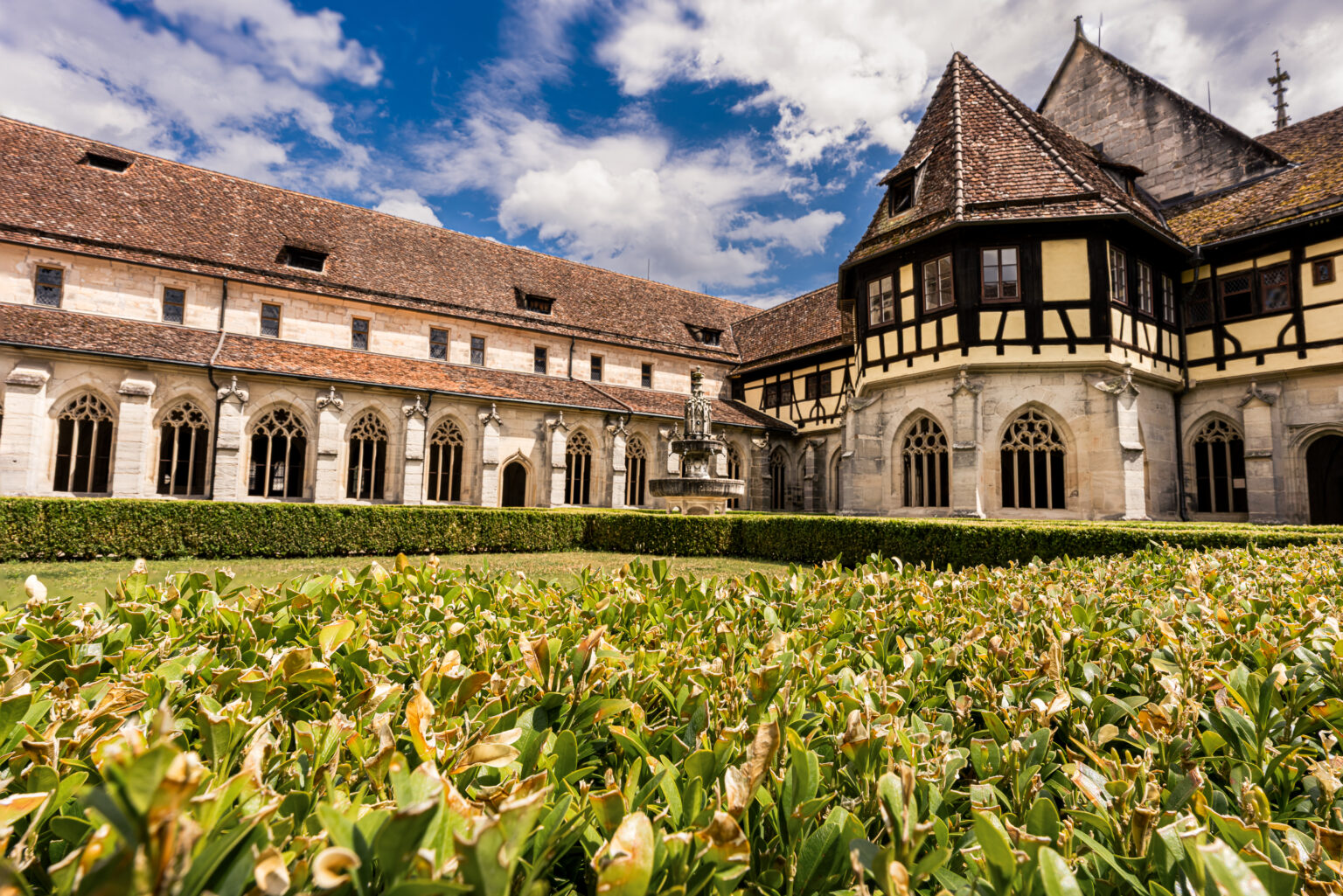
The low perspective emphasizes the worn cobblestones that have guided countless footsteps through the abbey’s history, while the church beyond remains a timeless focal point. The image captures not only architecture, but also the feeling of crossing a threshold into another era.At the center of Bebenhausen Abbey lies a courtyard where Gothic stonework, medieval craftsmanship, and centuries of history converge. The elegant cloister arcades frame the scene, while the former abbot’s residence introduces distinctive timber-framed architecture that reflects the monastery’s evolution through the centuries.
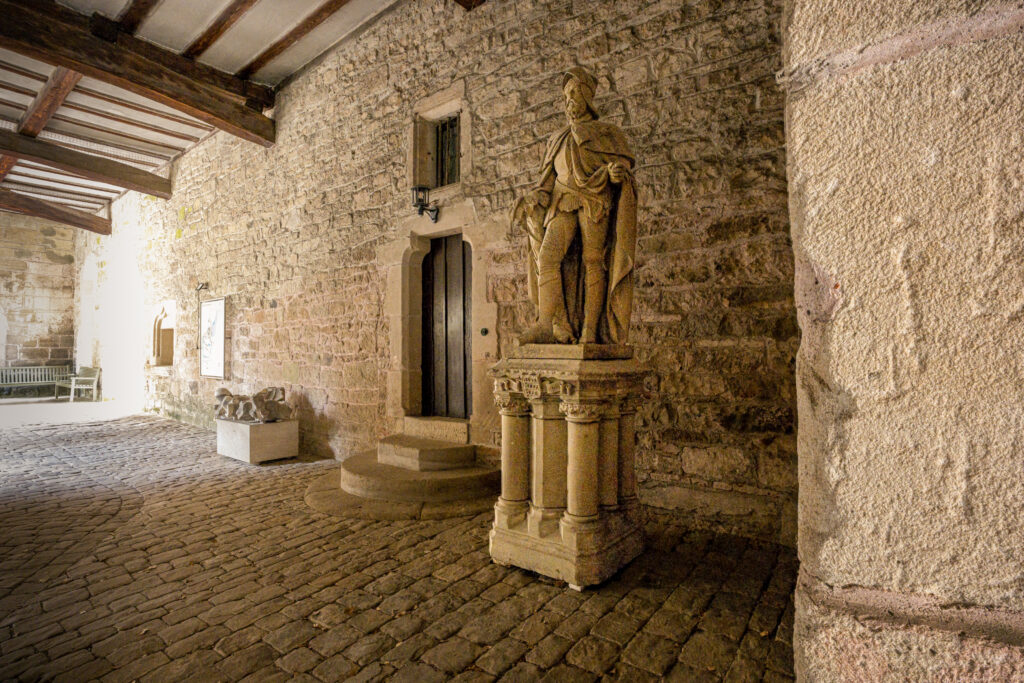
The carefully maintained garden contrasts with the permanence of stone and wood, creating a composition that balances structure, nature, and time. More than an architectural study, the image captures the quiet atmosphere that continues to define Bebenhausen today.Hidden within the historic passages of Bebenhausen Abbey, this stone figure has stood watch over generations of visitors for centuries. Surrounded by weathered masonry, timber beams, and worn cobblestones, the sculpture embodies the craftsmanship and permanence that define the monastery’s architectural heritage.
The interplay of shadow and light reveals textures shaped by time, while the quiet corridor invites reflection on the countless footsteps that have passed through these walls since the Middle Ages. The image captures a moment where architecture, history, and atmosphere become inseparable.Supported by massive oak beams and surrounded by centuries-old stone walls, this historic hall reflects the remarkable craftsmanship that shaped Bebenhausen Abbey throughout the Middle Ages.
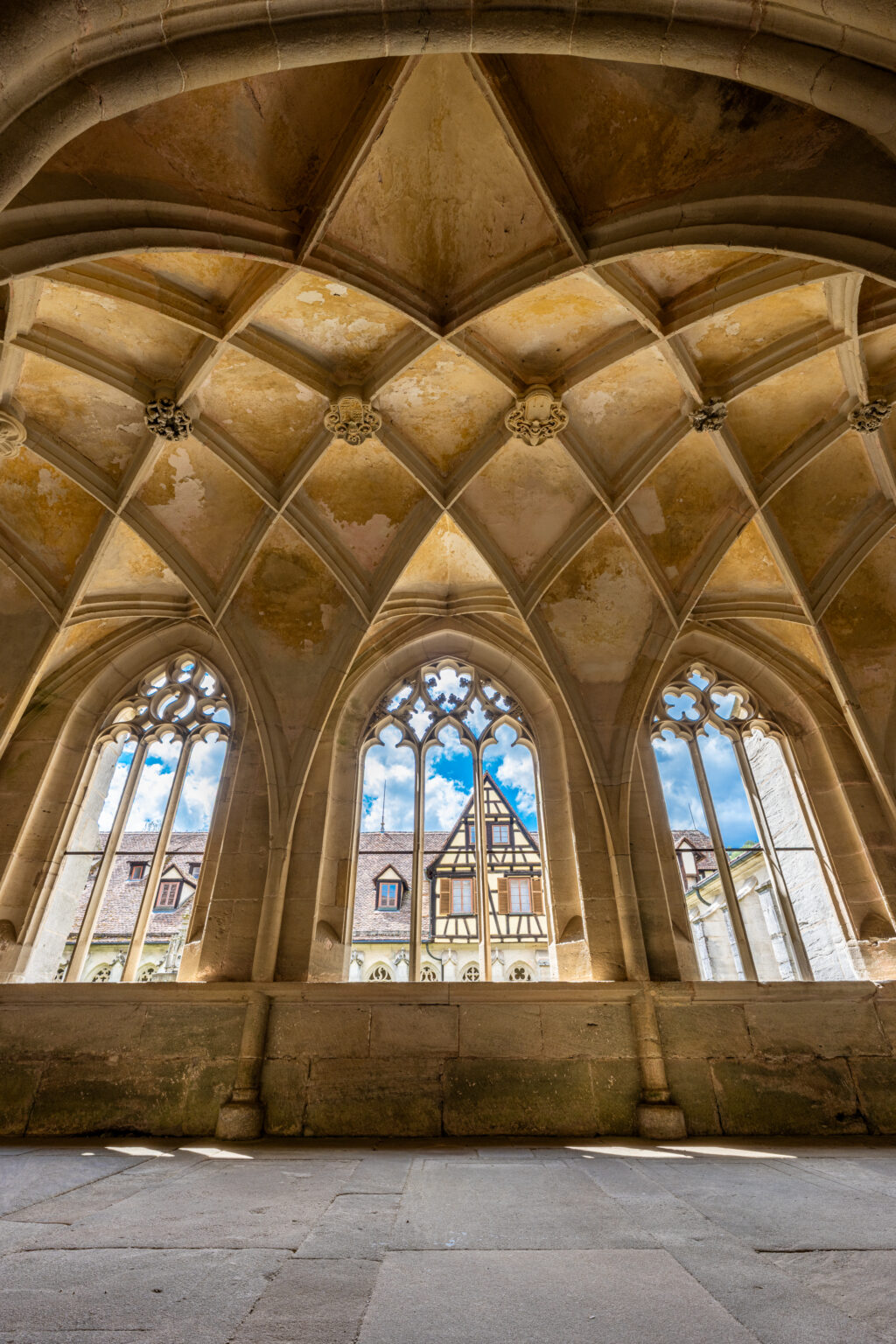
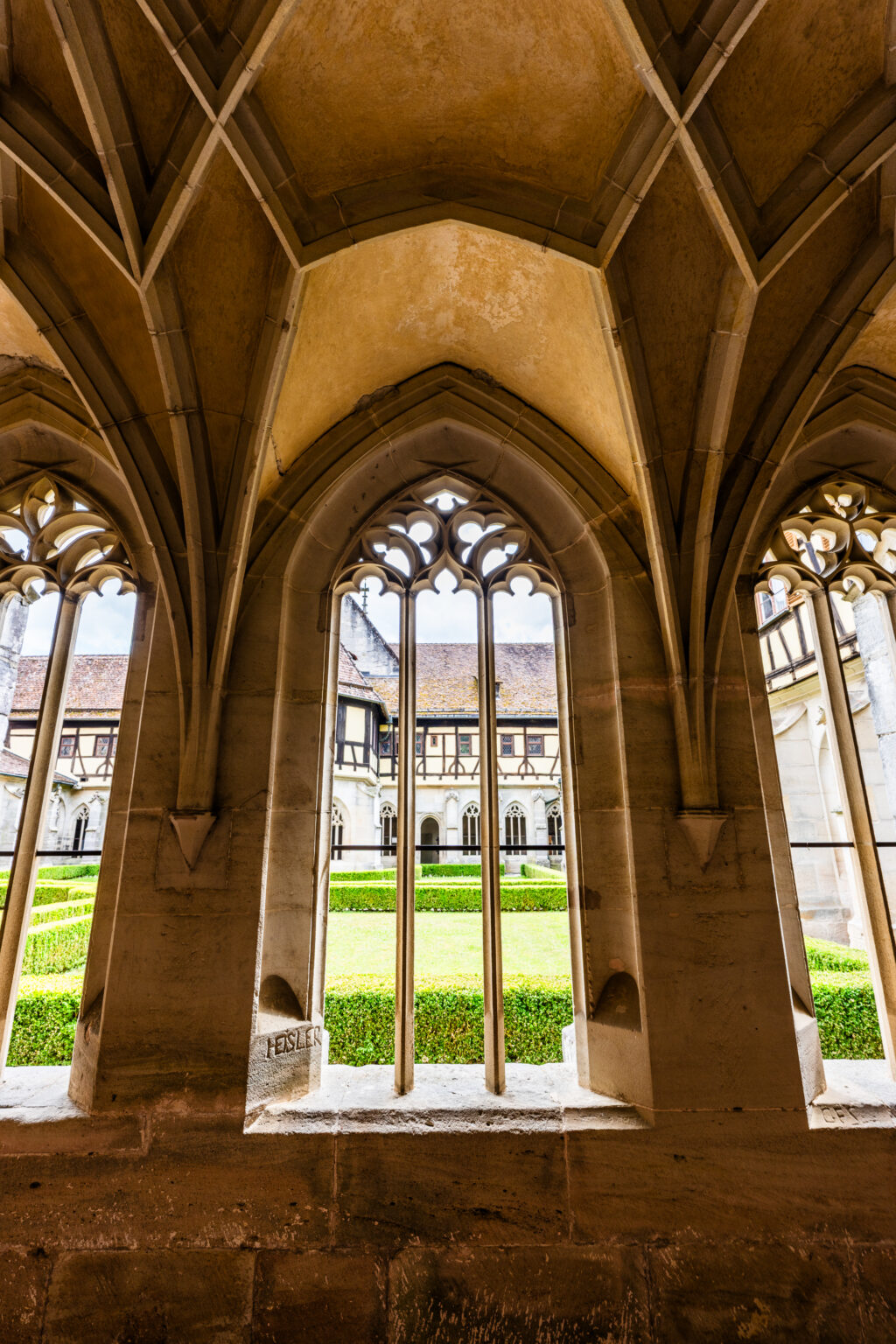
The low perspective emphasizes the worn stone floor, marked by generations of footsteps, while the timber structure above reveals the precision and durability of medieval construction techniques. Together, wood, stone, and light create a space where architecture becomes a record of time itself.Centuries of craftsmanship converge in this quiet corner of Bebenhausen Abbey. Delicate Gothic tracery frames views of the monastery courtyard, while the vaulted ceiling above reveals the elegance and precision of medieval architecture.
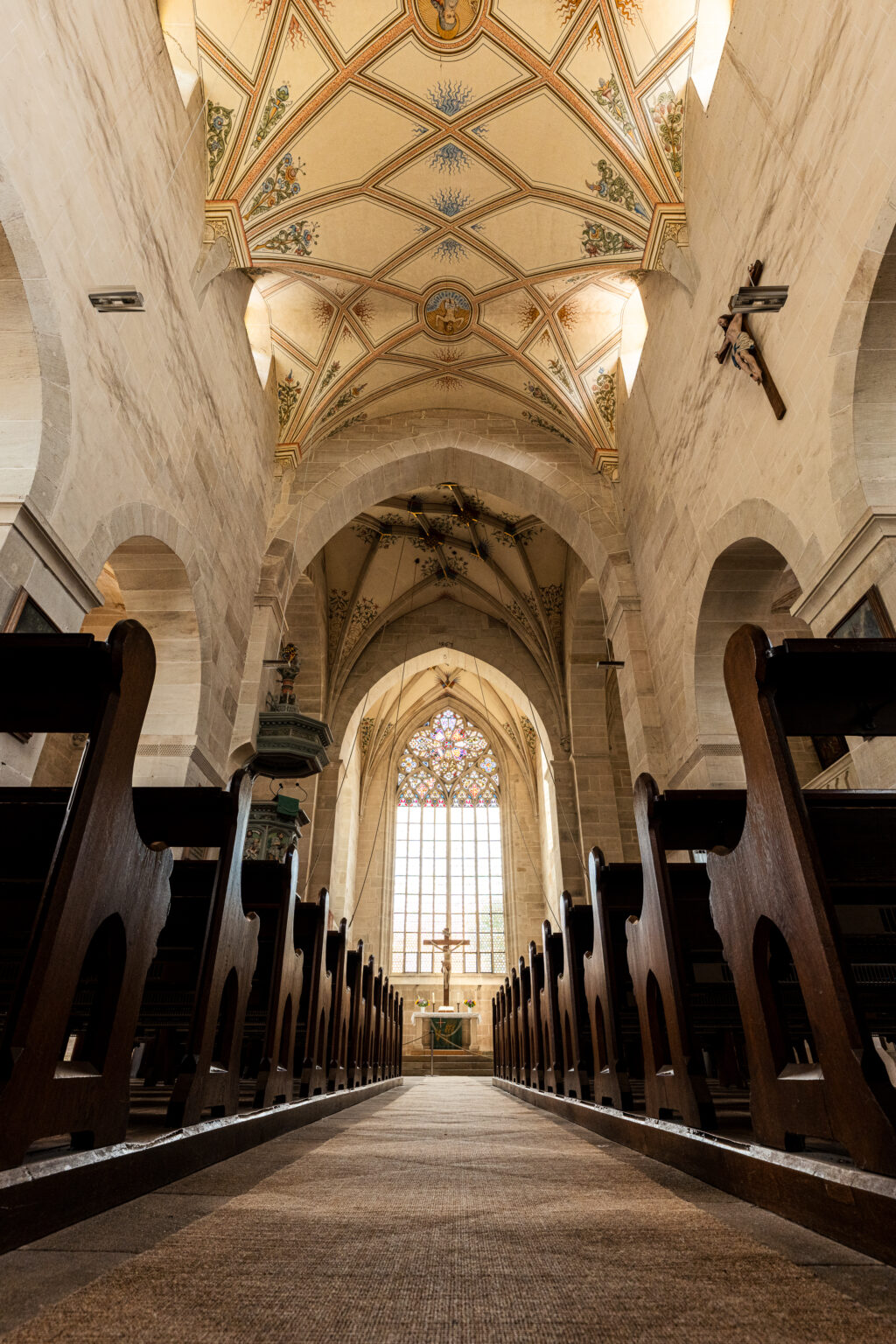
The interplay between stone, light, and geometry creates a timeless composition where structure becomes art. Looking through these windows is not only a view into the courtyard, but also a glimpse into more than eight hundred years of history preserved within the abbey walls.A single aisle leads through centuries of faith, craftsmanship, and architectural beauty. Framed by rows of wooden pews, the viewer’s eye is drawn toward the altar and the luminous stained-glass window beyond.
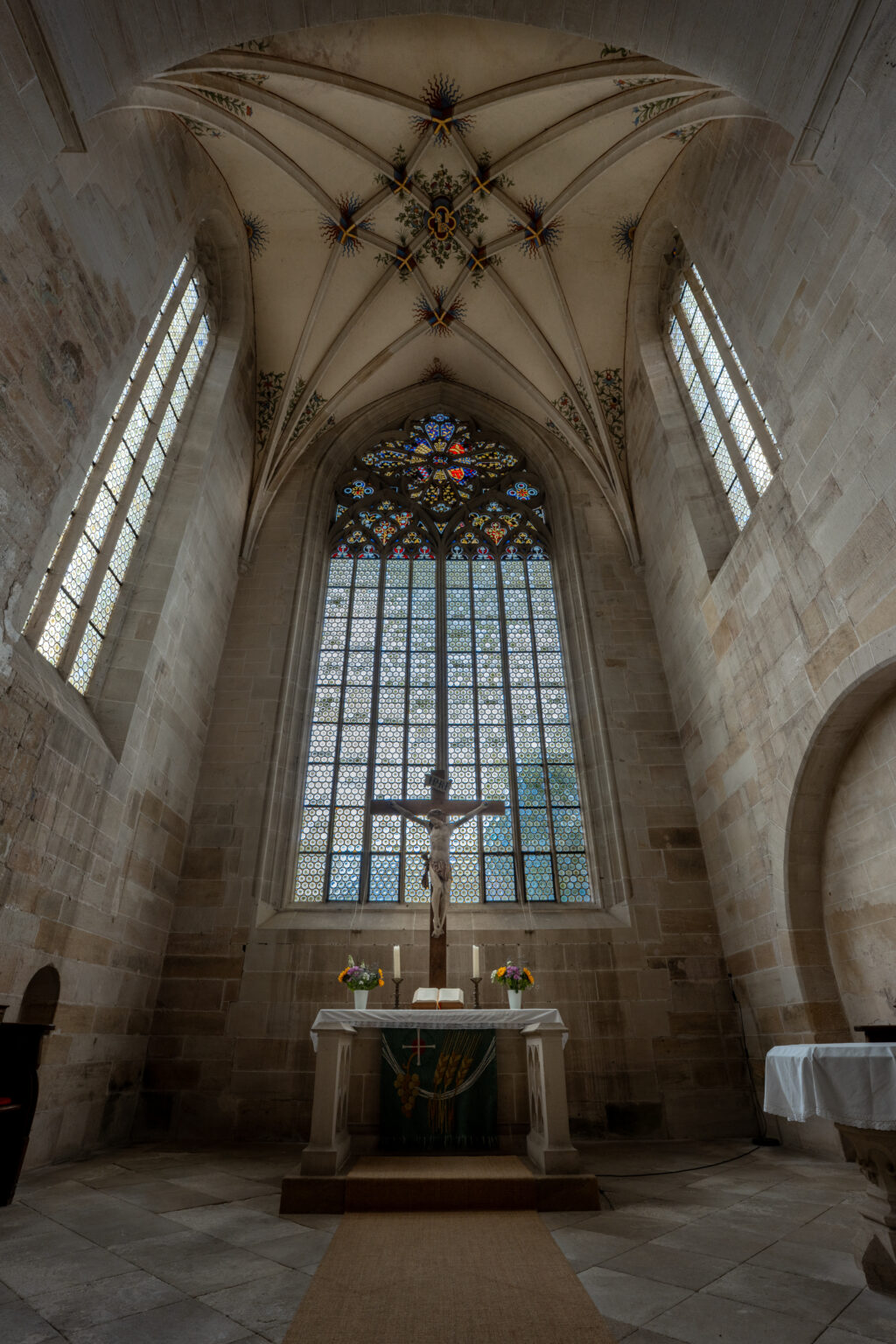
The soaring arches and painted vaults above reveal the artistic evolution of Bebenhausen Abbey, where Gothic structure meets later decorative elements. More than a place of worship, the church stands as a testament to over eight centuries of history, preserving the spiritual and cultural legacy of one of southern Germany’s most remarkable monastic sites.At the eastern end of Bebenhausen Abbey Church, architecture and spirituality converge in a space shaped by light, stone, and craftsmanship. The towering Gothic choir window rises behind the altar, illuminating the sanctuary while drawing the eye upward toward the intricately painted vault above.
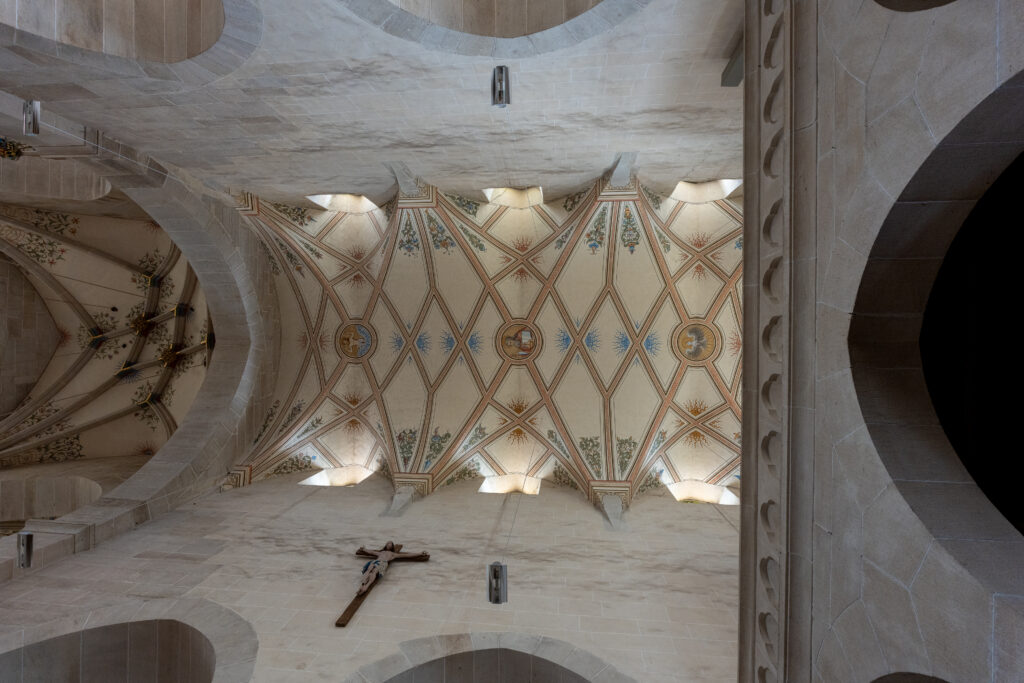
For more than eight centuries, this sacred space has remained the visual and spiritual heart of the monastery. The composition captures not only the architectural beauty of the church, but also the quiet atmosphere that continues to define Bebenhausen today.Looking upward reveals a different perspective of Bebenhausen Abbey. Delicate painted vaults, intersecting stone ribs, and centuries-old craftsmanship form a composition of remarkable symmetry and balance.
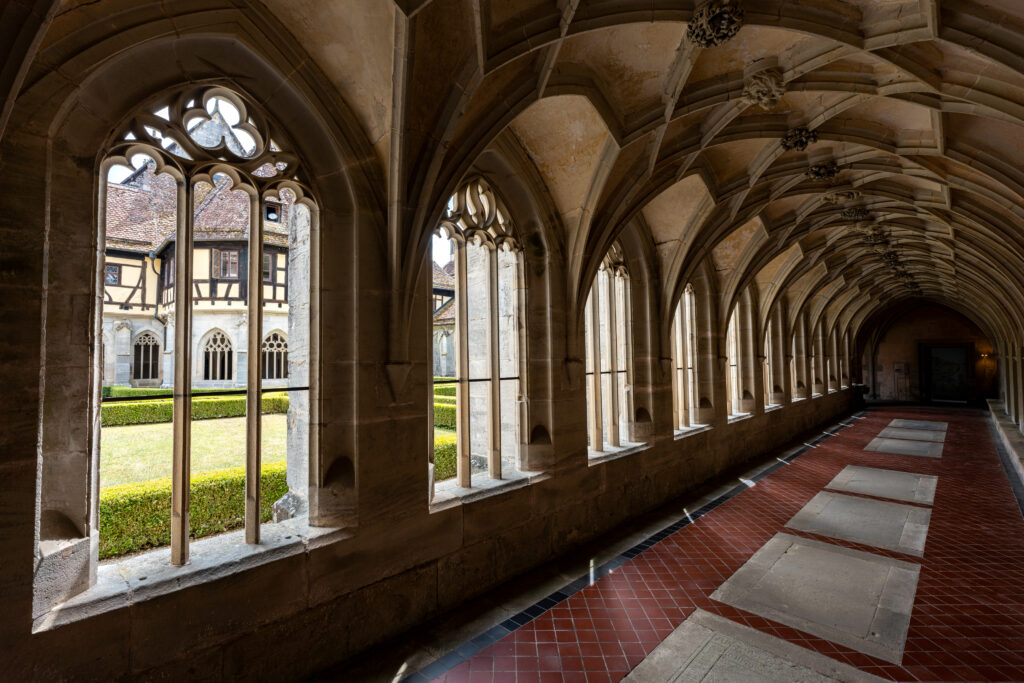
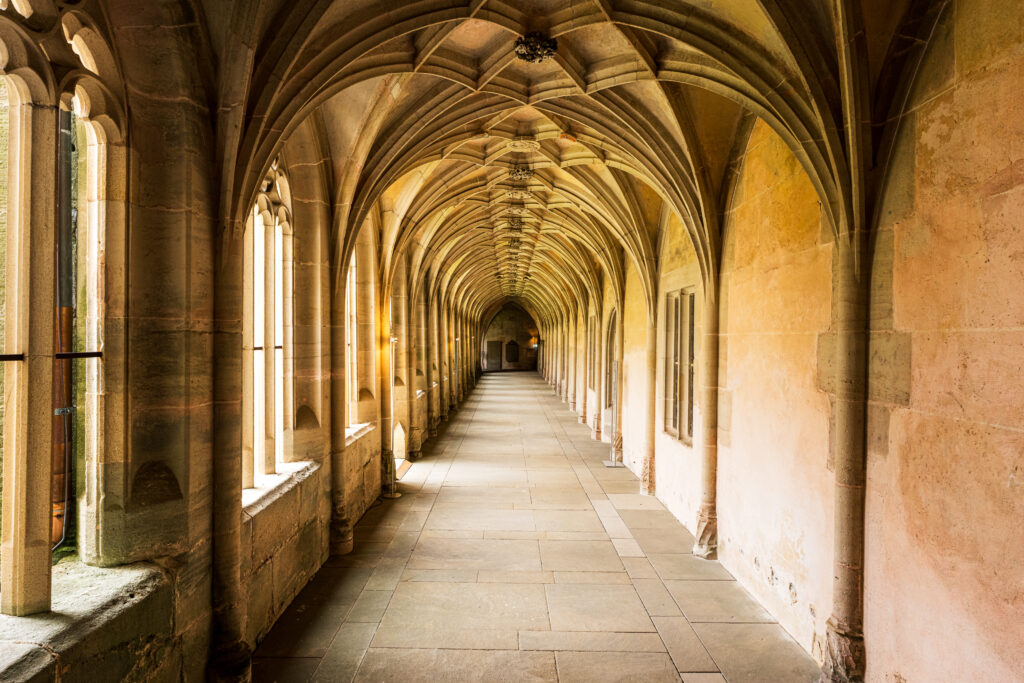
The architecture transforms into a visual language of lines, shapes, and light, where structural necessity becomes artistic expression. Removed from its architectural context, the ceiling almost appears abstract—yet every detail reflects the spiritual and artistic ambitions of the medieval builders who shaped this space more than eight centuries ago.For more than eight hundred years, the cloister of Bebenhausen Abbey has connected the spiritual and daily life of the monastery. Framed by elegant Gothic tracery windows and a rhythm of vaulted arches, the corridor guides visitors through one of the most remarkable architectural spaces of the abbey.
Light filters through the stone openings, revealing the craftsmanship of medieval stonemasons while offering glimpses into the quiet courtyard beyond. The repeating forms create a sense of harmony and continuity, transforming a simple passageway into a timeless architectural experience.Centuries of craftsmanship are captured within a single frame. Viewed from the shelter of the Gothic cloister, the stone tracery window transforms the monastery courtyard into a living artwork, framed by arches, vaults, and carefully carved details.
The image highlights the elegance of medieval design, where architecture served both practical and symbolic purposes. Light, stone, and geometry work together to create a composition that feels timeless, connecting the viewer with the same perspective experienced by generations of monks who once walked these corridors.Stretching into the distance beneath a sequence of Gothic vaults, the cloister of Bebenhausen Abbey reveals the remarkable precision of medieval architecture. Repeating arches, slender columns, and carefully carved stonework create a rhythm that guides the eye toward the vanishing point.
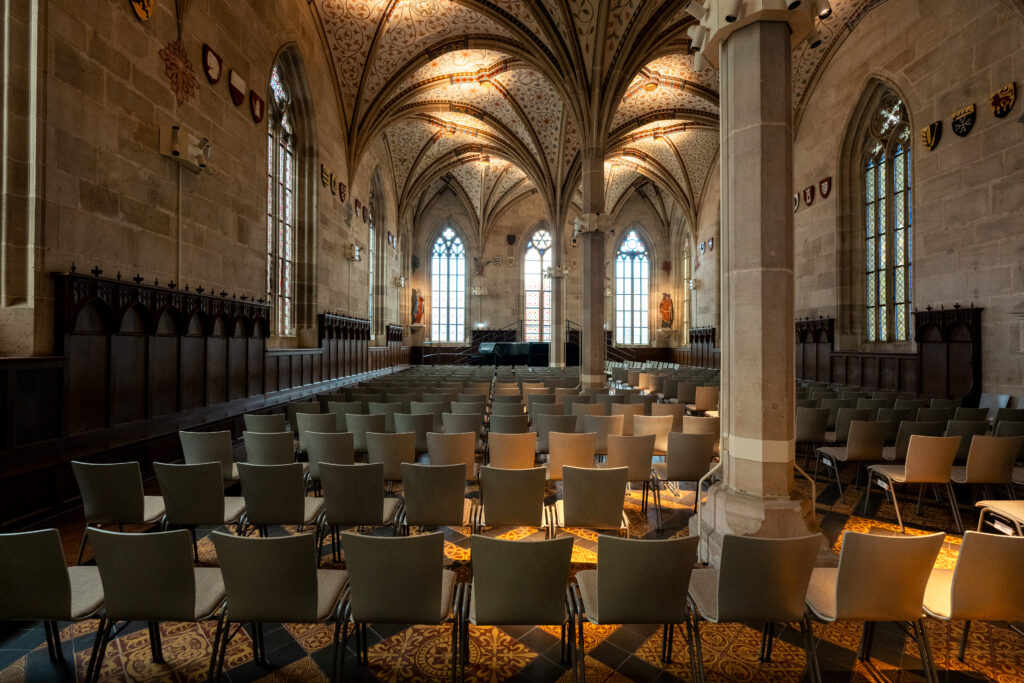
Light enters through the tracery windows, illuminating surfaces shaped by more than eight centuries of history. The result is a space that feels both monumental and intimate—a passage where architecture transforms movement into experience.For centuries, the halls of Bebenhausen Abbey have served as places of gathering, reflection, and community. Beneath richly decorated Gothic vaults and illuminated by tall stained-glass windows, the space reflects both the spiritual and cultural history of the monastery.
The interplay of light, stone, and architectural ornament reveals the craftsmanship of medieval builders while highlighting the continued life of the abbey today. Once a place of monastic tradition, the hall now connects past and present, preserving the atmosphere of a remarkable historic monument.A carefully arranged network of paths and hedges leads toward the historic fountain at the center of Bebenhausen Abbey. Surrounded by Gothic arcades, stone architecture, and centuries of history, the courtyard reflects the balance between order, contemplation, and craftsmanship that defined monastic life.
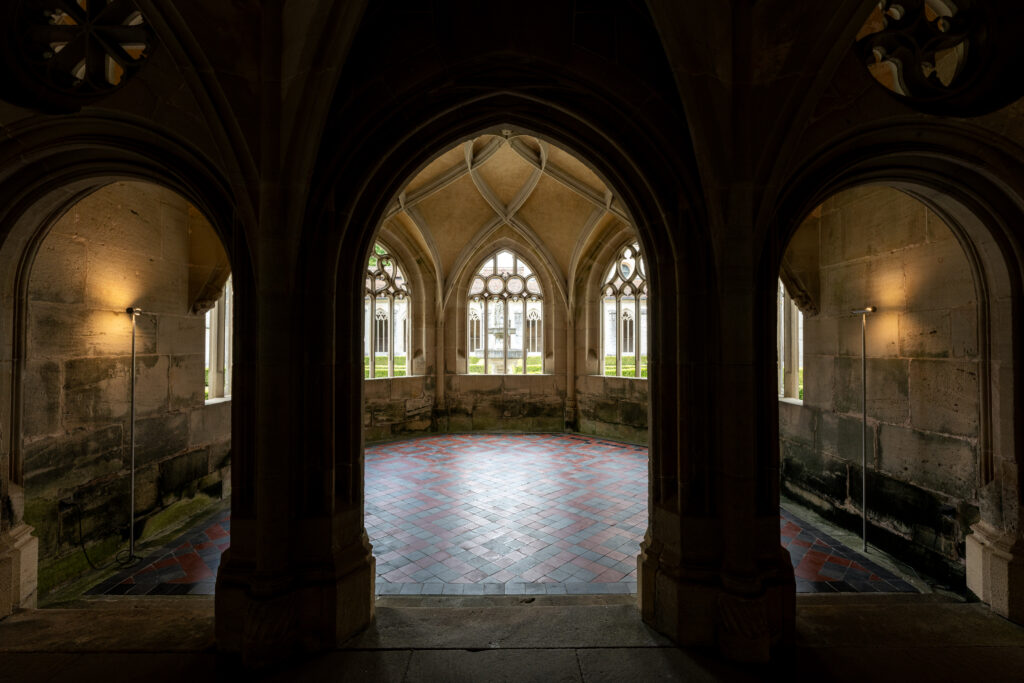
The strong central perspective emphasizes the harmony of the space, while the open sky above contrasts with the enclosed architecture of the cloister. Together, nature and stone create a scene that has remained largely unchanged for generations.Hidden behind layers of Gothic stonework, this quiet chamber reveals the architectural elegance of Bebenhausen Abbey. Framed by massive arches and illuminated by soft natural light, the space invites the viewer to move beyond the visible and explore the monastery’s deeper architectural story.
The contrast between shadow and light emphasizes the craftsmanship of the medieval builders, while the symmetrical composition creates a sense of balance and contemplation. More than a room, it becomes a threshold between structure and atmosphere, history and imagination.At the center of Bebenhausen Abbey, architecture, nature, and history come together in perfect balance. The carefully maintained courtyard garden leads the eye toward the Gothic church and its elegant tower, while the distinctive half-timbered buildings reflect centuries of architectural evolution within the monastery complex.
Founded in the 12th century, Bebenhausen developed into one of the most important Cistercian monasteries in southern Germany. This courtyard remains the visual heart of the abbey, where stone, greenery, and craftsmanship continue to tell the story of more than eight hundred years of history.